Organic Flax
What is Organic Flax?
Flax is an annual plant grown for its seeds, fiber, and oil. The seeds are small, flat, and oval, and can be brown or golden in color. They are typically harvested and dried, and can be consumed whole, ground, or pressed for their oil.
Is Organic Flax vegan?
Organic Flax is not animal-derived. Products that contain it can still include other animal-derived ingredients, so check the full ingredient list.
Is Organic Flax gluten-free?
It does not contain gluten.
Is Organic Flax a major allergen?
Flaxseed is not one of the nine major allergens recognized by the FDA.
What is Organic Flax used for?
Flaxseed is used as a whole food ingredient, often added to baked goods, cereals, and snack bars for its texture and nutritional value.
Is Organic Flax safe?
Flaxseed is generally recognized as safe (GRAS) by the FDA for use in food.
Why it's used
Flaxseed is used as a whole food ingredient, often added to baked goods, cereals, and snack bars for its texture and nutritional value. It can also be ground into flaxseed meal, which is used as an egg substitute in vegan baking or as a thickener. Manufacturers add it for its fiber and omega-3 fatty acid content.
Health notes
Flaxseed is generally recognized as safe (GRAS) by the FDA for use in food. It is a source of dietary fiber and alpha-linolenic acid (ALA), an omega-3 fatty acid. JECFA has evaluated flaxseed and found no safety concerns at typical consumption levels. Some research suggests flaxseed may have benefits for heart health and digestion due to its fiber and ALA content, but more research is needed.
Allergen info
Flaxseed is not one of the nine major allergens recognized by the FDA. It does not contain gluten.
Foods that contain Organic Flax
Compare products →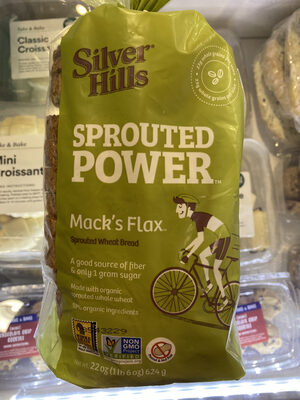
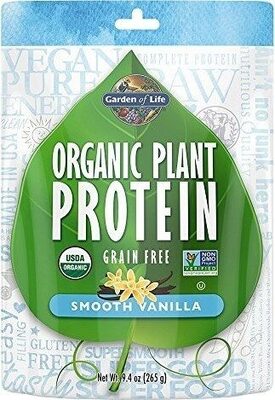
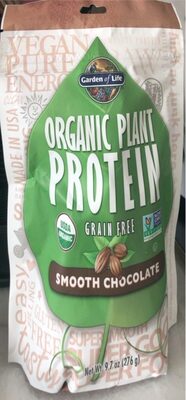

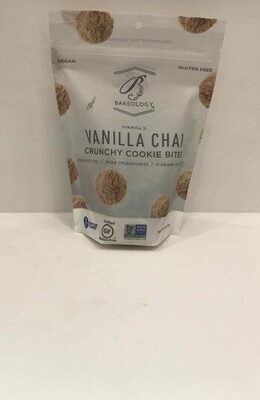
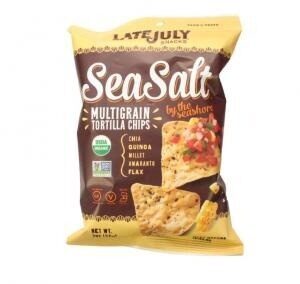
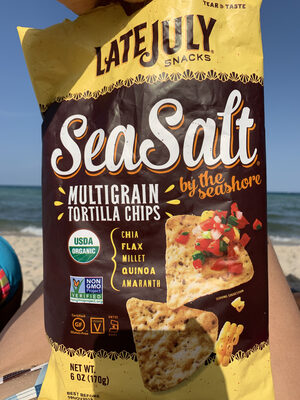

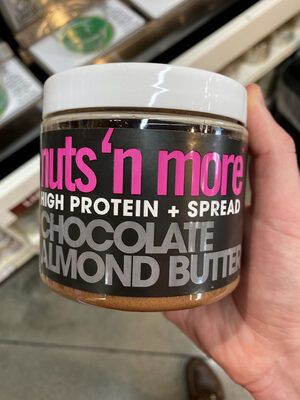

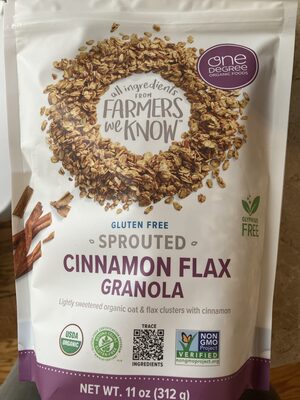
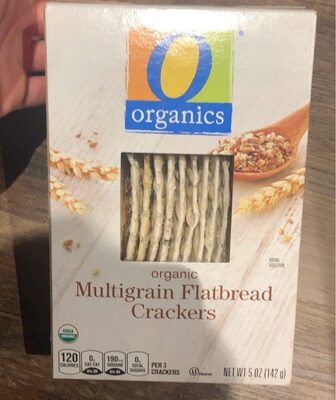
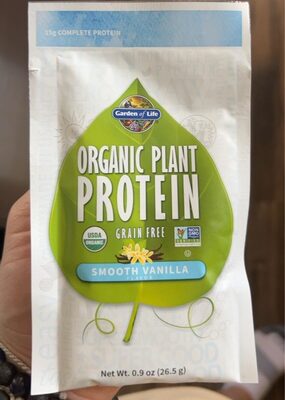
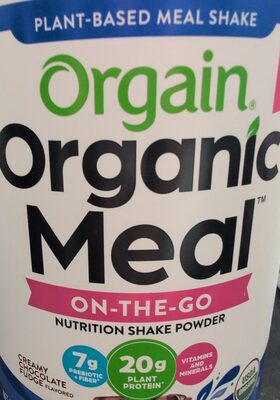

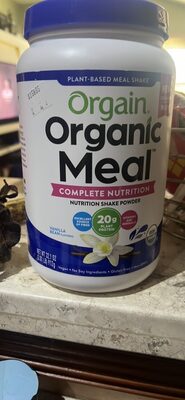
Learn more
Auto-generated content. This description was generated automatically and is pending editorial review. Inaccuracies are possible. Found a mistake? Contact us.