Organic Kamut Khorasan
What is Organic Kamut Khorasan?
Organic Kamut Khorasan is a type of ancient wheat grain, also known as Khorasan wheat. It is grown organically, meaning without synthetic pesticides or fertilizers. The grain is typically milled into flour for use in various food products.
Is Organic Kamut Khorasan vegan?
Organic Kamut Khorasan is not animal-derived. Products that contain it can still include other animal-derived ingredients, so check the full ingredient list.
Is Organic Kamut Khorasan gluten-free?
Kamut Khorasan is a type of wheat, and therefore contains gluten.
What is Organic Kamut Khorasan used for?
Manufacturers use Organic Kamut Khorasan flour as a whole grain ingredient in baked goods, pasta, and cereals.
Is Organic Kamut Khorasan safe?
Organic Kamut Khorasan is generally recognized as safe (GRAS) by the FDA when used as a food ingredient.
Why it's used
Manufacturers use Organic Kamut Khorasan flour as a whole grain ingredient in baked goods, pasta, and cereals. It provides a nutty flavor and chewy texture, offering an alternative to modern wheat varieties.
Health notes
Organic Kamut Khorasan is generally recognized as safe (GRAS) by the FDA when used as a food ingredient. As a whole grain, it provides dietary fiber and nutrients. No specific health concerns are associated with its consumption at typical dietary levels. It has not been specifically evaluated by JECFA or EFSA as a distinct ingredient with a unique safety profile.
Allergen info
Kamut Khorasan is a type of wheat, and therefore contains gluten. Wheat is one of the 9 FDA major allergens.
Foods that contain Organic Kamut Khorasan
Compare products →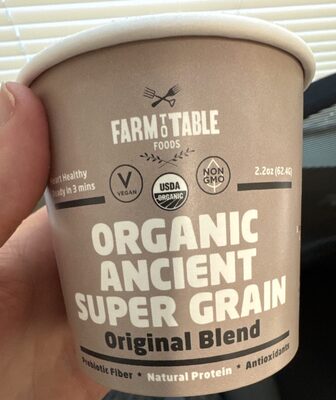 Farm to Table Foods
Organic Ancient Super Grain Original Blend
355kcal
12.9Protein
5.7Fat
69.3Carbs
Funtastik, Inc.
Farm To Table, Organic Ancient Whole Grain & Oatmeal
400kcal
13.3Protein
5.6Fat
71.1Carbs
Farm to Table Foods
Maple & Brown Sugar Organic Ancient Super Grain, Maple & Brown Sugar
371kcal
11.3Protein
5.7Fat
71.0Carbs
Farm to Table Foods
Organic Ancient Super Grain Original Blend
355kcal
12.9Protein
5.7Fat
69.3Carbs
Funtastik, Inc.
Farm To Table, Organic Ancient Whole Grain & Oatmeal
400kcal
13.3Protein
5.6Fat
71.1Carbs
Farm to Table Foods
Maple & Brown Sugar Organic Ancient Super Grain, Maple & Brown Sugar
371kcal
11.3Protein
5.7Fat
71.0Carbs
Learn more
Auto-generated content. This description was generated automatically and is pending editorial review. Inaccuracies are possible. Found a mistake? Contact us.