Organic Konjac Flour
Auto-generated content. This description was generated automatically and is pending editorial review. Inaccuracies are possible. Found a mistake? Contact us.
What it is
Organic konjac flour is made from the ground root of the konjac plant, native to Asia. The root is a rich source of glucomannan, a soluble dietary fiber. The flour is typically processed to remove impurities and then dried.
Why it's used
Konjac flour is used as a low-calorie thickener and gelling agent in foods. It is often found in noodle and pasta products, as well as desserts and jellies, due to its ability to absorb water and create a gel-like texture.
Health notes
Konjac flour is generally recognized as safe (GRAS) by the FDA for use as a food ingredient. Its primary component, glucomannan fiber, may help promote feelings of fullness and support digestive health. International bodies like JECFA have evaluated konjac and its derivatives. While generally considered safe, consuming large amounts of konjac products without adequate fluid intake could potentially lead to choking or blockage.
Allergen info
Konjac flour is not derived from any of the nine FDA major allergens. It is also gluten-free.
Products containing Organic Konjac Flour
Compare products →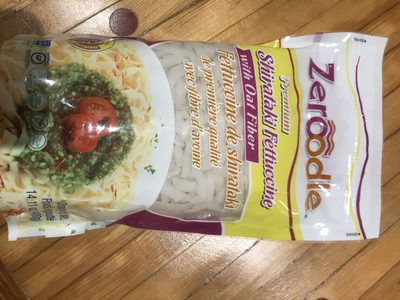 LIVIVA
Fettuccine Organic Shirataki Pasta With Oat Fiber
15kcal
0Protein
0Fat
4Carbs
LIVIVA
Fettuccine Organic Shirataki Pasta With Oat Fiber
15kcal
0Protein
0Fat
4Carbs
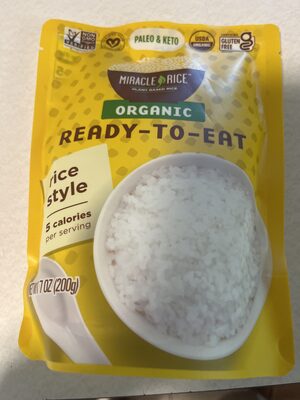 Strumba Media LLC
Rice Style Plant Based Rice, Rice Style
6kcal
0Protein
0Fat
3.5Carbs
Strumba Media LLC
Rice Style Plant Based Rice, Rice Style
6kcal
0Protein
0Fat
3.5Carbs
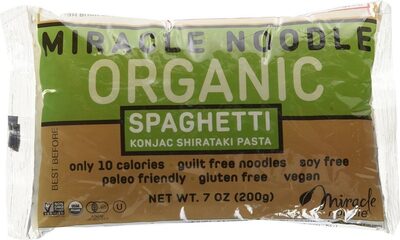 Strumba Media LLC
Spaghetti Style Organic Plant Based Noodles, Spaghetti Style
6kcal
0Protein
0Fat
3.5Carbs
Strumba Media LLC
Spaghetti Style Organic Plant Based Noodles, Spaghetti Style
6kcal
0Protein
0Fat
3.5Carbs
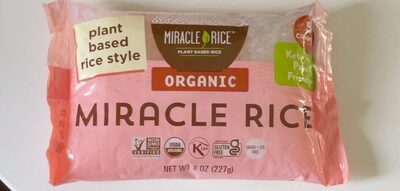 Strumba Media LLC
Organic Plant Based Rice
6kcal
0Protein
0Fat
3.5Carbs
Strumba Media LLC
Organic Plant Based Rice
6kcal
0Protein
0Fat
3.5Carbs
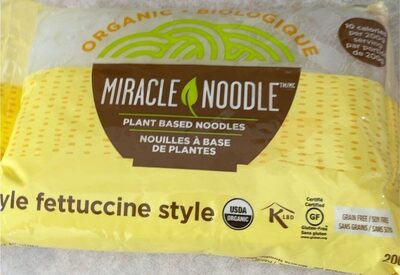 Strumba Media LLC
Fettuccine Style Plant Based Noodle
6kcal
0Protein
0Fat
3.5Carbs
Strumba Media LLC
Fettuccine Style Plant Based Noodle
6kcal
0Protein
0Fat
3.5Carbs
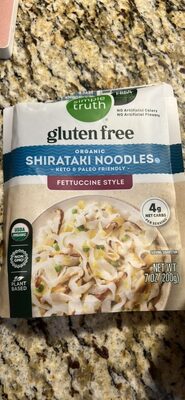 The Kroger Co.
Fettuccine Style Shirataki Noodles, Fettuccine Style
5kcal
0Protein
0Fat
4Carbs
The Kroger Co.
Fettuccine Style Shirataki Noodles, Fettuccine Style
5kcal
0Protein
0Fat
4Carbs
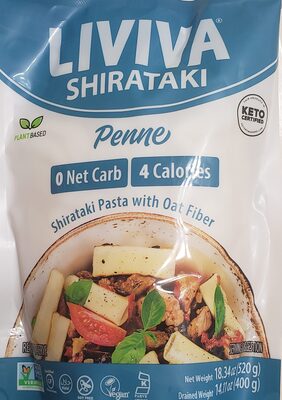 Organic Shirataki Pasta With Oat Fiber, Penne
15kcal
0Protein
0Fat
4Carbs
Organic Shirataki Pasta With Oat Fiber, Penne
15kcal
0Protein
0Fat
4Carbs
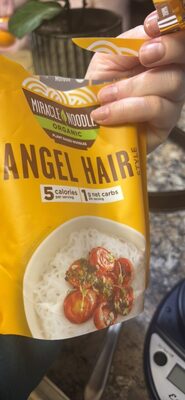 Strumba Media LLC
Organic Ready-To-Eat Plant Based Noodles, Angel Hair Style
6kcal
0Protein
0Fat
3.5Carbs
Strumba Media LLC
Organic Ready-To-Eat Plant Based Noodles, Angel Hair Style
6kcal
0Protein
0Fat
3.5Carbs
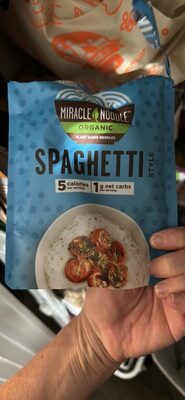 Strumba Media LLC
Organic Ready-To-Eat Plant Based Noodles, Spaghetti Style
6kcal
0Protein
0Fat
3.5Carbs
Strumba Media LLC
Organic Ready-To-Eat Plant Based Noodles, Spaghetti Style
6kcal
0Protein
0Fat
3.5Carbs
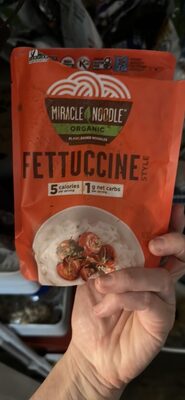 Strumba Media LLC
Organic Ready-To-Eat Plant Based Noodles, Fettuccine Style
6kcal
0Protein
0Fat
3.5Carbs
Strumba Media LLC
Organic Ready-To-Eat Plant Based Noodles, Fettuccine Style
6kcal
0Protein
0Fat
3.5Carbs