Organic Mango
What is Organic Mango?
Mangoes are tropical stone fruits that grow on trees. They are native to South Asia but are now cultivated in many tropical and subtropical regions worldwide. The fruit is typically eaten fresh, but can also be processed into juices, purees, and dried products.
Is Organic Mango vegan?
Organic Mango is not animal-derived. Products that contain it can still include other animal-derived ingredients, so check the full ingredient list.
Is Organic Mango gluten-free?
It does not contain gluten.
Is Organic Mango a major allergen?
Mango is not one of the nine major allergens recognized by the FDA.
What is Organic Mango used for?
Manufacturers use mangoes primarily for their sweet, tropical flavor and vibrant color.
Is Organic Mango safe?
Mango is generally recognized as safe (GRAS) by the FDA when used as a food ingredient.
Why it's used
Manufacturers use mangoes primarily for their sweet, tropical flavor and vibrant color. They are commonly found in fruit-based products like smoothies, juices, yogurts, desserts, and snacks. Mango can also be used to add natural sweetness and a fruity note to various food items.
Health notes
Mango is generally recognized as safe (GRAS) by the FDA when used as a food ingredient. It is a good source of vitamins A and C, and dietary fiber. International bodies like JECFA have evaluated mango and its components. While generally considered healthy, excessive consumption of any fruit, especially in processed forms with added sugars, should be balanced within a healthy diet.
Allergen info
Mango is not one of the nine major allergens recognized by the FDA. It does not contain gluten.
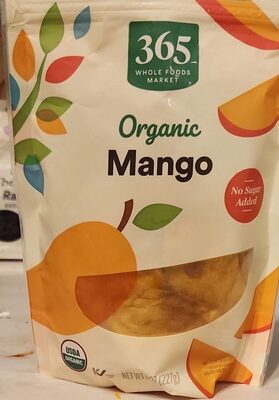
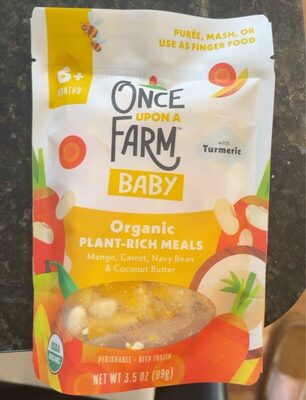
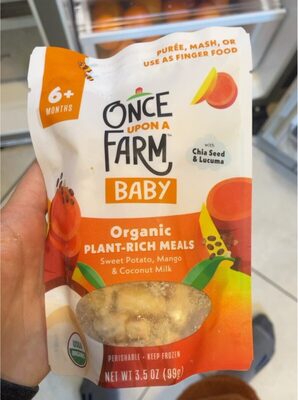
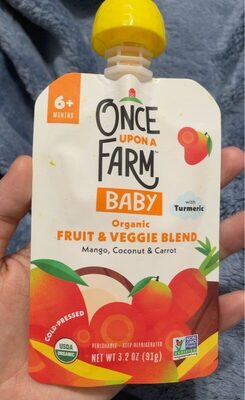
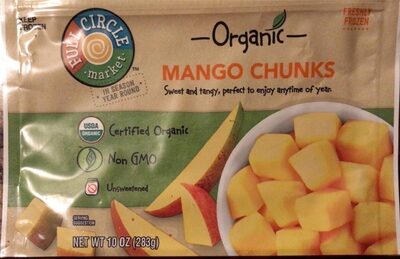
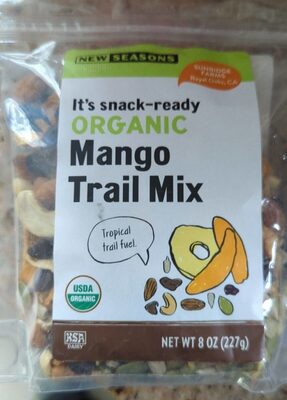
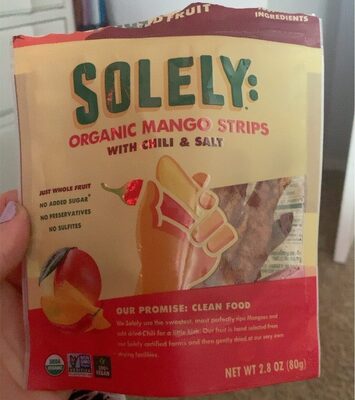
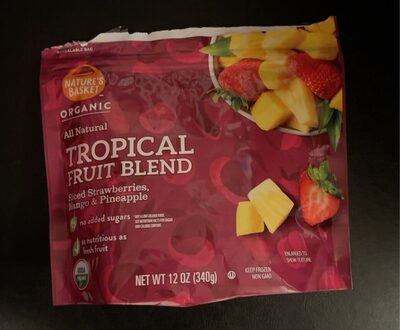
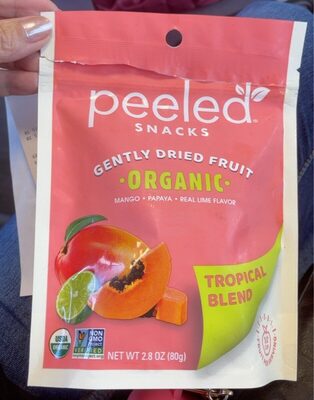
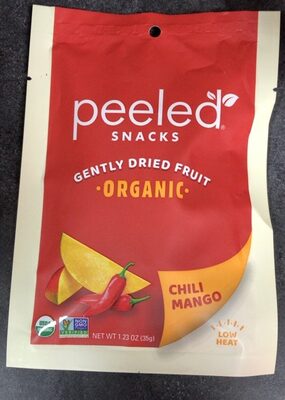
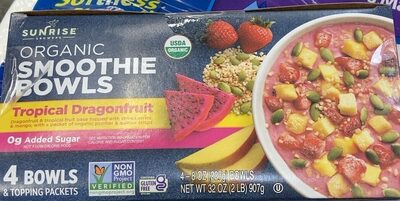
Foods that contain Organic Mango
Compare products →

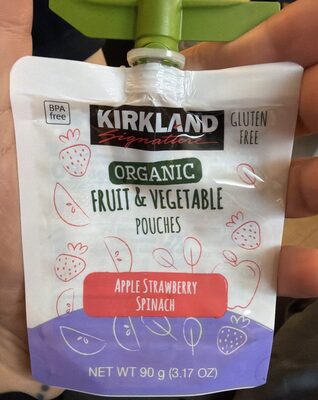
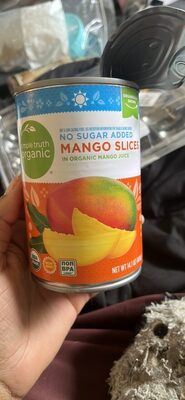
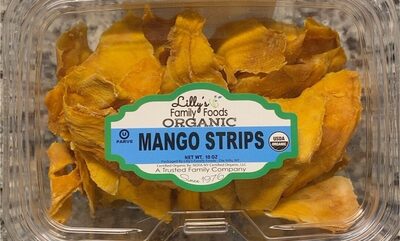
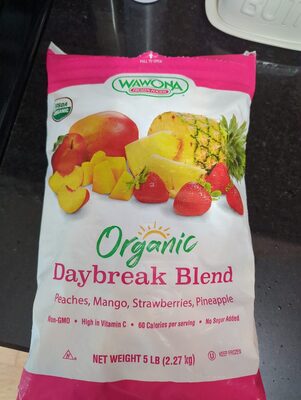
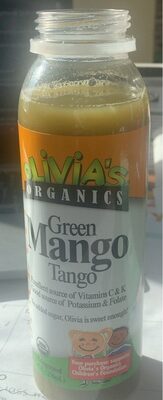
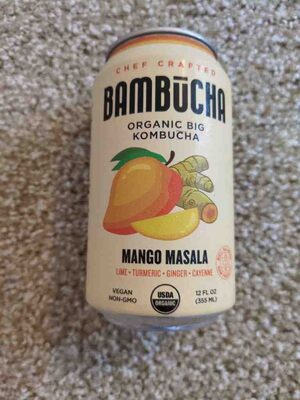
Auto-generated content. This description was generated automatically and is pending editorial review. Inaccuracies are possible. Found a mistake? Contact us.