Organic Seeds
Auto-generated content. This description was generated automatically and is pending editorial review. Inaccuracies are possible. Found a mistake? Contact us.
What it is
Organic seeds are the reproductive units of plants, grown without the use of synthetic fertilizers, pesticides, or genetically modified organisms. They are harvested from various plants, including grains, fruits, and vegetables, and can be consumed whole, ground, or pressed for oil. Common examples include flax, chia, sunflower, pumpkin, and hemp seeds.
Why it's used
Manufacturers use organic seeds for their nutritional value and texture. They add a nutty flavor and a satisfying crunch to foods. You'll find them in cereals, baked goods like bread and crackers, granola bars, and as toppings for salads and yogurt.
Health notes
Organic seeds are widely recognized as nutritious food. They are a source of fiber, healthy fats, protein, vitamins, and minerals. The FDA generally recognizes seeds as safe (GRAS) when used for food. International bodies like JECFA and EFSA have evaluated various seeds and their components, often finding them safe for consumption. Research suggests that regular intake of certain seeds may contribute to heart health and digestive wellness, though more studies are needed to confirm specific benefits.
Allergen info
Seeds are not among the nine major allergens defined by the FDA. However, some individuals may have allergies to specific seeds, such as sesame. Gluten is not typically found in seeds, unless they are processed in facilities that handle gluten-containing grains.
Products containing Organic Seeds
Compare products →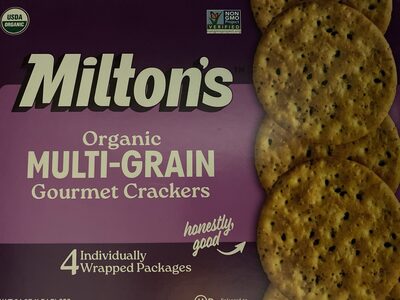 Milton's Baking Company LLC
Multi-Grain Organic Gourmet Crackers, Multi-Grain
438kcal
0Protein
15.6Fat
62.5Carbs
Milton's Baking Company LLC
Multi-Grain Organic Gourmet Crackers, Multi-Grain
438kcal
0Protein
15.6Fat
62.5Carbs
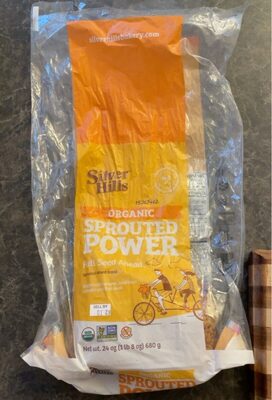 Full Seed Ahead Organic Sprouted Whole Grain Bread Stuffed With Sesame, Sunflower, Pumpkin & Flex Seeds, Full Seed Ahead
250kcal
15Protein
5Fat
42.5Carbs
Target Stores
Seed & Grain Cluster Organic Trail Mix Includes Fruit, Seeds & Nuts, Seed & Grain Cluster
467kcal
16.7Protein
26.7Fat
43.3Carbs
Full Seed Ahead Organic Sprouted Whole Grain Bread Stuffed With Sesame, Sunflower, Pumpkin & Flex Seeds, Full Seed Ahead
250kcal
15Protein
5Fat
42.5Carbs
Target Stores
Seed & Grain Cluster Organic Trail Mix Includes Fruit, Seeds & Nuts, Seed & Grain Cluster
467kcal
16.7Protein
26.7Fat
43.3Carbs
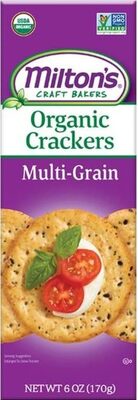 Milton's Baking Company LLC
Multi-Grain Organic Crackers, Multi-Grain
438kcal
6.2Protein
15.6Fat
62.5Carbs
Milton's Baking Company LLC
Multi-Grain Organic Crackers, Multi-Grain
438kcal
6.2Protein
15.6Fat
62.5Carbs