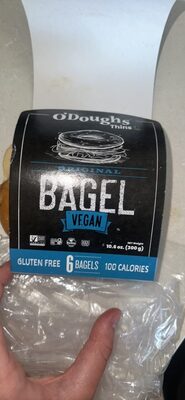
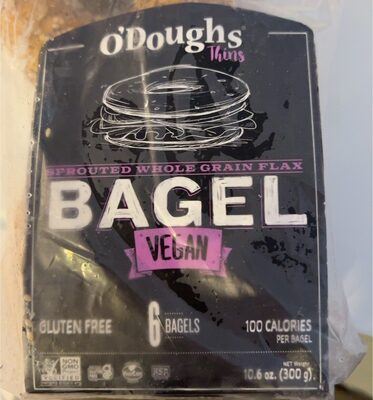
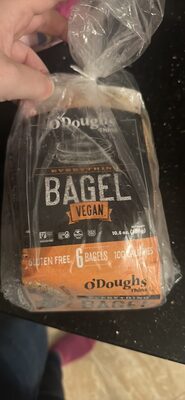
Organic Sprouted Whole Buckwheat
Auto-generated content. This description was generated automatically and is pending editorial review. Inaccuracies are possible. Found a mistake? Contact us.
What it is
Buckwheat is a pseudocereal, meaning it is a seed that is used like a grain. It is not related to wheat. Sprouting involves soaking the seeds until they begin to germinate, which can make them easier to digest and may increase nutrient availability.
Why it's used
Manufacturers use sprouted buckwheat flour as a whole-grain ingredient in baked goods like breads, bagels, and muffins. It adds a nutty flavor and a dense texture to products.
Health notes
Organic sprouted whole buckwheat is generally recognized as safe (GRAS) by the FDA when used as a food ingredient. It is a source of fiber, protein, and various minerals. Regulatory bodies like EFSA have evaluated buckwheat and its components, but no specific health claims are associated with its consumption at typical dietary levels. Evidence does not suggest adverse health effects from consuming buckwheat in a balanced diet.
Allergen info
Buckwheat is not one of the 9 FDA major allergens. It does not contain gluten.