Glycerine
What is Glycerine?
Glycerine, also known as glycerol, is a simple sugar alcohol. It can be obtained from animal fats or vegetable oils through a process called saponification, or it can be produced from petroleum or by fermentation.
Is Glycerine a major allergen?
Not a major allergen.
What is Glycerine used for?
In foods, glycerine acts as a humectant, meaning it helps keep foods moist and prevents them from drying out.
Is Glycerine safe?
Glycerine is generally recognized as safe (GRAS) by the U.S. Food and Drug Administration (FDA).
Why it's used
In foods, glycerine acts as a humectant, meaning it helps keep foods moist and prevents them from drying out. It also serves as a solvent for flavors and colors, a sweetener, and a thickener, commonly found in baked goods, candies, and processed snacks.
Health notes
Glycerine is generally recognized as safe (GRAS) by the U.S. Food and Drug Administration (FDA). It is metabolized by the body in a similar way to carbohydrates. The Joint FAO/WHO Expert Committee on Food Additives (JECFA) has evaluated glycerine and determined that a numerical acceptable daily intake (ADI) is not specified, indicating very low toxicity. The European Food Safety Authority (EFSA) has also concluded it is safe for use as a food additive.
Allergen info
Not a major allergen. While glycerine can be derived from sources like soy or animal fats, the final purified product is not typically allergenic.
Foods that contain Glycerine
Compare products →



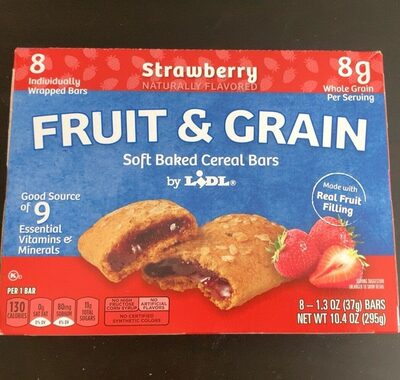 LIDL
Strawberry Fruit & Grain Soft Baked Cereal Bars, Strawberry
324kcal
2.7Protein
8.1Fat
64.9Carbs



Auto-generated content. This description was generated automatically and is pending editorial review. Inaccuracies are possible. Found a mistake? Contact us.