Organic Vegetable Oils
Auto-generated content. This description was generated automatically and is pending editorial review. Inaccuracies are possible. Found a mistake? Contact us.
What it is
Organic vegetable oils are fats extracted from plants, such as soybeans, corn, canola, or sunflowers, grown without synthetic pesticides or fertilizers. The extraction process typically involves pressing the seeds or fruits to release the oil, which may then be refined to remove impurities.
Why it's used
Manufacturers use organic vegetable oils as a source of fat, providing texture, mouthfeel, and flavor in foods. They are commonly found in baked goods, snacks, dressings, and spreads, acting as a cooking medium or ingredient.
Health notes
Organic vegetable oils are generally recognized as safe (GRAS) by the FDA for use in food. The U.S. National Academies have established upper intake levels for total fat, which includes vegetable oils. JECFA and EFSA have evaluated various vegetable oils. While generally considered healthy in moderation as part of a balanced diet, excessive intake of any fat can contribute to excess calorie consumption.
Allergen info
Depending on the specific oil, it may be derived from a major allergen like soy or sesame. If derived from soy or sesame, it would be considered a major allergen. Otherwise, it is not a major allergen. Gluten is not typically present.
Products containing Organic Vegetable Oils
Compare products →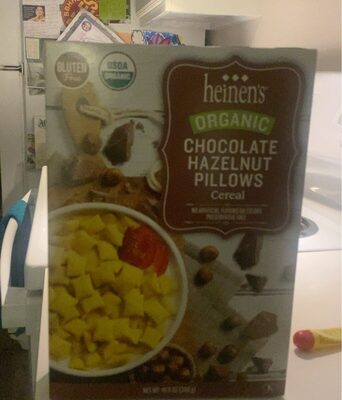 Rafael Padilla & Cia S. En C.
Chocolate Hazelnut Pillows Organic Cereal, Chocolate Hazelnut Pillows
441kcal
5.9Protein
17.6Fat
70.6Carbs
Wegmans Food Markets, Inc.
Green Pea Snack Crisps With Sea Salt, Green Pea With Sea Salt
393kcal
17.9Protein
16.1Fat
50Carbs
First International Health Foods Ltd.
Organic Cauliflower Tortilla Chips, Cauliflower
443kcal
3.6Protein
21.4Fat
60.7Carbs
Wakefern Food Corporation
Organic, Vegetable Tortilla Chips, Vegetable
536kcal
7.1Protein
28.6Fat
64.3Carbs
Rafael Padilla & Cia S. En C.
Chocolate Hazelnut Pillows Organic Cereal, Chocolate Hazelnut Pillows
441kcal
5.9Protein
17.6Fat
70.6Carbs
Wegmans Food Markets, Inc.
Green Pea Snack Crisps With Sea Salt, Green Pea With Sea Salt
393kcal
17.9Protein
16.1Fat
50Carbs
First International Health Foods Ltd.
Organic Cauliflower Tortilla Chips, Cauliflower
443kcal
3.6Protein
21.4Fat
60.7Carbs
Wakefern Food Corporation
Organic, Vegetable Tortilla Chips, Vegetable
536kcal
7.1Protein
28.6Fat
64.3Carbs