Organic Whole Chia Seeds
What is Organic Whole Chia Seeds?
Chia seeds are tiny seeds from the Salvia hispanica plant, native to Mexico and Guatemala. They are harvested and often sold whole or ground. When soaked, they form a gel, which is a characteristic property used in food preparation.
Is Organic Whole Chia Seeds vegan?
Organic Whole Chia Seeds is not animal-derived. Products that contain it can still include other animal-derived ingredients, so check the full ingredient list.
Is Organic Whole Chia Seeds gluten-free?
They do not contain gluten.
Is Organic Whole Chia Seeds a major allergen?
Chia seeds are not one of the nine major allergens recognized by the FDA.
What is Organic Whole Chia Seeds used for?
Manufacturers use chia seeds for their nutritional content and gelling properties.
Is Organic Whole Chia Seeds safe?
Chia seeds are generally recognized as safe (GRAS) by the FDA.
Why it's used
Manufacturers use chia seeds for their nutritional content and gelling properties. They are added to foods like yogurt, cereals, baked goods, and beverages to increase fiber and omega-3 fatty acids. The gel formed when chia seeds are hydrated can also act as a thickener or binder.
Health notes
Chia seeds are generally recognized as safe (GRAS) by the FDA. They are a good source of fiber, protein, and omega-3 fatty acids. JECFA has evaluated chia seeds and found no safety concerns. While generally considered healthy, consuming large amounts without adequate fluid intake could potentially lead to digestive discomfort due to their high fiber content.
Allergen info
Chia seeds are not one of the nine major allergens recognized by the FDA. They do not contain gluten.
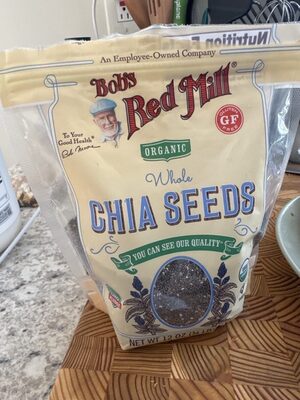
Foods that contain Organic Whole Chia Seeds
Compare products →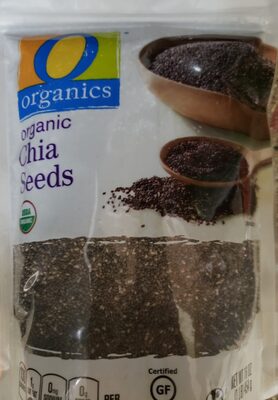
Learn more
Auto-generated content. This description was generated automatically and is pending editorial review. Inaccuracies are possible. Found a mistake? Contact us.