Organic Whole Triticale Flakes
What is Organic Whole Triticale Flakes?
Organic whole triticale flakes are made from the whole grain of triticale, a hybrid of wheat and rye. The whole grains are typically steamed and rolled into flat flakes. Triticale is a good source of fiber and nutrients.
Is Organic Whole Triticale Flakes vegan?
Organic Whole Triticale Flakes is not animal-derived. Products that contain it can still include other animal-derived ingredients, so check the full ingredient list.
Is Organic Whole Triticale Flakes gluten-free?
Triticale is a grain derived from wheat and rye, and therefore contains gluten.
What is Organic Whole Triticale Flakes used for?
Triticale flakes are used as an ingredient in baked goods like breads, cereals, and granola.
Is Organic Whole Triticale Flakes safe?
Triticale is a whole grain and a source of dietary fiber, which is generally considered beneficial for digestive health.
Why it's used
Triticale flakes are used as an ingredient in baked goods like breads, cereals, and granola. They add a nutty flavor and a chewy texture to products. Manufacturers use them to boost the whole grain content and nutritional profile of foods.
Health notes
Triticale is a whole grain and a source of dietary fiber, which is generally considered beneficial for digestive health. The FDA considers whole grains to be part of a healthy dietary pattern. No specific regulatory limits or evaluations by bodies like JECFA or EFSA are typically applied to whole grains themselves, as they are a food staple. Evidence generally supports the inclusion of whole grains in a balanced diet.
Allergen info
Triticale is a grain derived from wheat and rye, and therefore contains gluten. Wheat is one of the 9 FDA major allergens.
Foods that contain Organic Whole Triticale Flakes
Compare products →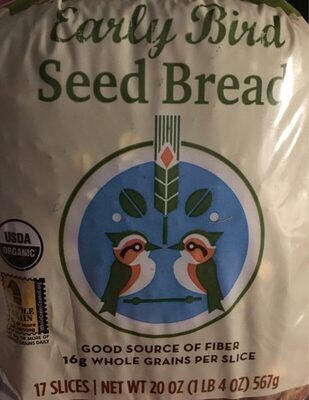 Whole Foods Market, Inc.
Early Bird Multi Seed Organic Bread, Early Bird Multi Seed
273kcal
12.1Protein
4.5Fat
48.5Carbs
Whole Foods Market, Inc.
Early Bird Multi Seed Organic Bread, Early Bird Multi Seed
273kcal
12.1Protein
4.5Fat
48.5Carbs
 Whole Foods Market, Inc.
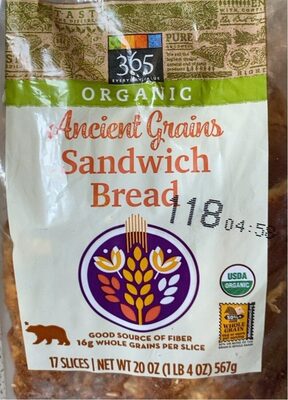
Ancient Grains Sandwich Bread, Ancient Grains
212kcal
9.1Protein
3.0Fat
45.5Carbs
Whole Foods Market, Inc.
Ancient Grains Sandwich Bread, Ancient Grains
212kcal
9.1Protein
3.0Fat
45.5Carbs
Whole Foods Market, Inc.
Early Bird Multi Seed Organic Bread, Early Bird Multi Seed
273kcal
12.1Protein
4.5Fat
48.5Carbs
Whole Foods Market, Inc.
Ancient Grains Sandwich Bread, Ancient Grains
212kcal
9.1Protein
3.0Fat
45.5Carbs
Whole Foods Market, Inc.
Ancient Grains Sandwich Bread, Ancient Grains
212kcal
9.1Protein
3.0Fat
45.5Carbs
Whole Foods Market, Inc.
Early Bird Multi Seed Organic Bread, Early Bird Multi Seed
273kcal
12.1Protein
4.5Fat
48.5Carbs
Learn more
Auto-generated content. This description was generated automatically and is pending editorial review. Inaccuracies are possible. Found a mistake? Contact us.