Oxidation
Auto-generated content. This description was generated automatically and is pending editorial review. Inaccuracies are possible. Found a mistake? Contact us.
What it is
Oxidation is a chemical process that involves the loss of electrons. In food, it's a natural reaction that can occur when food is exposed to air, light, or heat. This process can lead to changes in flavor, color, and nutritional value.
Why it's used
Manufacturers often add antioxidants to prevent or slow down oxidation in foods. This helps to preserve the food's quality, extending its shelf life and maintaining its desirable taste and appearance. Antioxidants are commonly found in fatty foods like oils, nuts, and processed meats, as well as in fruits and vegetables.
Health notes
Antioxidants are naturally present in many foods and are also added to some processed foods. The FDA considers many antioxidant substances to be Generally Recognized As Safe (GRAS) or approves them as food additives. Some antioxidants, like Vitamin E and Vitamin C, are essential nutrients. International bodies like JECFA and EFSA have evaluated various antioxidants. While generally considered beneficial for preventing spoilage, research is ongoing regarding the specific health effects of high intakes of certain added antioxidants.
Allergen info
Not a major allergen. Some antioxidants are derived from soy or other plants, but the antioxidant substance itself is not typically considered an allergen.
Products containing Oxidation
Compare products →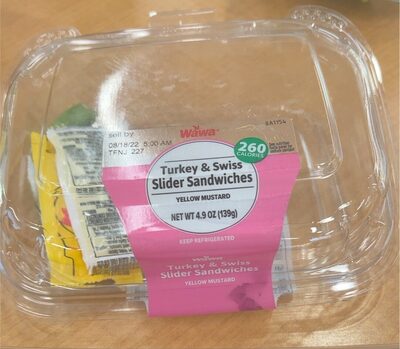 Wawa Incorporated
Honey Mustard Turkey & Swiss Slider Sandwiches, Honey Mustard
High in sodium — 39% DV per serving
High in added sugars — 24% DV per serving
197kcal
11.6Protein
4.8Fat
27.2Carbs
Taylor Fresh Foods, Inc.
Turkey Cranberry With Stuffing Sandwich, Turkey Cranberry
High in sodium — 53% DV per serving
High in added sugars — 24% DV per serving
159kcal
10.4Protein
1.8Fat
24.6Carbs
Highland Baking Company Inc.
Pull-A-Part Brioche
300kcal
10Protein
7.5Fat
50Carbs
The Hillshire Brands Company
Sourdough Egg, Ham & Cheese Sandwiches, Sourdough
High in sodium — 40% DV per serving
High in cholesterol — 38% DV per serving
196kcal
10.5Protein
7.0Fat
23.8Carbs
Wawa Incorporated
Honey Mustard Turkey & Swiss Slider Sandwiches, Honey Mustard
High in sodium — 39% DV per serving
High in added sugars — 24% DV per serving
197kcal
11.6Protein
4.8Fat
27.2Carbs
Taylor Fresh Foods, Inc.
Turkey Cranberry With Stuffing Sandwich, Turkey Cranberry
High in sodium — 53% DV per serving
High in added sugars — 24% DV per serving
159kcal
10.4Protein
1.8Fat
24.6Carbs
Highland Baking Company Inc.
Pull-A-Part Brioche
300kcal
10Protein
7.5Fat
50Carbs
The Hillshire Brands Company
Sourdough Egg, Ham & Cheese Sandwiches, Sourdough
High in sodium — 40% DV per serving
High in cholesterol — 38% DV per serving
196kcal
10.5Protein
7.0Fat
23.8Carbs