Palm And Canola Non-hydrogenated
What is Palm And Canola Non-hydrogenated?
This ingredient is a blend of palm oil and canola oil that has not been hydrogenated. Palm oil comes from the fruit of oil palms, while canola oil is derived from rapeseed. The non-hydrogenated process means the oils remain in a liquid state at room temperature.
Is Palm And Canola Non-hydrogenated vegan?
Palm And Canola Non-hydrogenated is not animal-derived. Products that contain it can still include other animal-derived ingredients, so check the full ingredient list.
Is Palm And Canola Non-hydrogenated a major allergen?
Not a major allergen.
What is Palm And Canola Non-hydrogenated used for?
Manufacturers use this blend as a source of fat in baked goods and other processed foods.
Is Palm And Canola Non-hydrogenated safe?
Palm and canola non-hydrogenated oils are generally recognized as safe (GRAS) by the FDA for use in food.
Why it's used
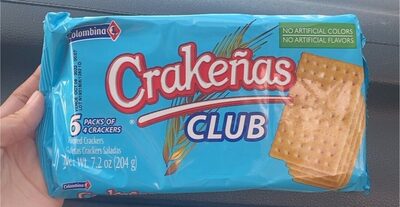
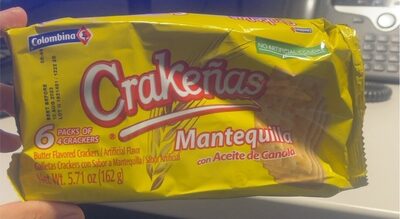
Manufacturers use this blend as a source of fat in baked goods and other processed foods. It provides a desirable texture and mouthfeel, acting as a replacement for butter or partially hydrogenated oils. It is commonly found in crackers, cookies, and other snack items.
Health notes
Palm and canola non-hydrogenated oils are generally recognized as safe (GRAS) by the FDA for use in food. They are sources of monounsaturated and polyunsaturated fats, which are considered healthier fats compared to saturated and trans fats. Regulatory bodies like JECFA and EFSA have evaluated fats and oils, and these are commonly used ingredients.
Allergen info
Not a major allergen. Canola is not a legume and is not related to soy or peanuts. Palm oil is derived from a fruit.
Foods that contain Palm And Canola Non-hydrogenated
Compare products →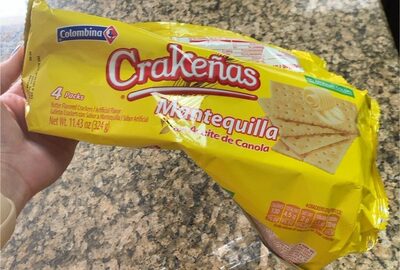
Learn more
Auto-generated content. This description was generated automatically and is pending editorial review. Inaccuracies are possible. Found a mistake? Contact us.