Palm Vegetable Shortening
What is Palm Vegetable Shortening?
Palm vegetable shortening is a solid fat made from palm oil. Palm oil comes from the fruit of oil palm trees. The oil is typically refined, bleached, and deodorized, and then often hydrogenated or interesterified to make it solid at room temperature.
Is Palm Vegetable Shortening vegan?
Palm Vegetable Shortening is not animal-derived. Products that contain it can still include other animal-derived ingredients, so check the full ingredient list.
Is Palm Vegetable Shortening gluten-free?
It does not contain gluten.
Is Palm Vegetable Shortening a major allergen?
Palm shortening is not derived from any of the 9 FDA major allergens.
What is Palm Vegetable Shortening used for?
Manufacturers use palm shortening for its ability to create flaky textures and tender baked goods.
Is Palm Vegetable Shortening safe?
Palm shortening is generally recognized as safe (GRAS) by the FDA for use in food.
Why it's used
Manufacturers use palm shortening for its ability to create flaky textures and tender baked goods. It provides richness and a smooth mouthfeel. It is commonly found in cookies, pastries, croissants, muffins, and crackers.
Health notes
Palm shortening is generally recognized as safe (GRAS) by the FDA for use in food. Like other fats, it is calorie-dense. Some studies suggest that the saturated fat content in palm oil may affect cholesterol levels, while others indicate a more neutral effect compared to other saturated fats. Regulatory bodies like JECFA and EFSA have evaluated palm oil and its derivatives.
Allergen info
Palm shortening is not derived from any of the 9 FDA major allergens. It does not contain gluten.
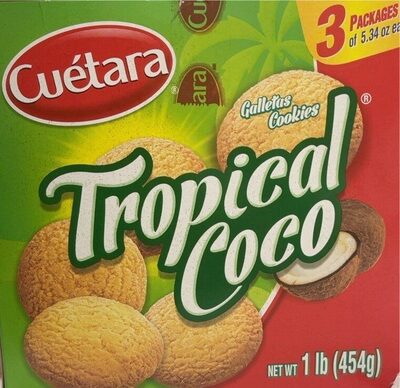
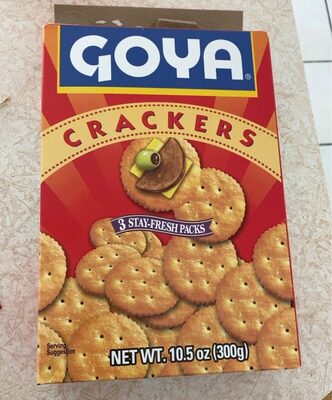
Foods that contain Palm Vegetable Shortening
Compare products →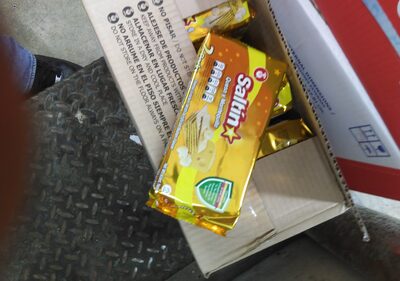
Learn more
Auto-generated content. This description was generated automatically and is pending editorial review. Inaccuracies are possible. Found a mistake? Contact us.