Parmesan And Blue Cheese
What is Parmesan And Blue Cheese?
Parmesan and blue cheese are types of cheese made from cow's milk. They are produced using specific bacterial cultures and aging processes that give them their distinct flavors and textures. Parmesan is a hard, granular cheese, while blue cheese is characterized by its blue or green veins and pungent taste.
Is Parmesan And Blue Cheese vegan?
No. Parmesan And Blue Cheese is animal-derived, so it is not vegan.
Is Parmesan And Blue Cheese gluten-free?
They do not contain gluten.
Is Parmesan And Blue Cheese a major allergen?
Parmesan and blue cheese are derived from milk, which is one of the 9 FDA major allergens.
What is Parmesan And Blue Cheese used for?
These cheeses are added to foods for their strong, savory flavor.
Is Parmesan And Blue Cheese safe?
Parmesan and blue cheese are dairy products and are generally recognized as safe for consumption.
Why it's used
These cheeses are added to foods for their strong, savory flavor. They are commonly found in pasta dishes, soups, salads, frozen appetizers, and as a topping for various meals. Manufacturers use them to enhance the taste and richness of packaged foods.
Health notes
Parmesan and blue cheese are dairy products and are generally recognized as safe for consumption. They are a source of protein, calcium, and other nutrients. While generally considered healthy in moderation as part of a balanced diet, they can be high in sodium and saturated fat. Consumers concerned about these components may wish to limit their intake.
Allergen info
Parmesan and blue cheese are derived from milk, which is one of the 9 FDA major allergens. They do not contain gluten.
Foods that contain Parmesan And Blue Cheese
Compare products →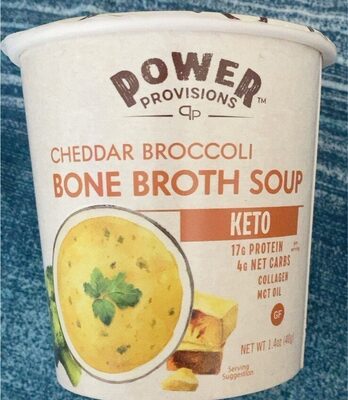 R & M Innovations, LLC
Cheddar Broccoli Bone Broth Soup, Cheddar Broccoli
High in sodium — 29% DV per serving
High in saturated fat — 25% DV per serving
525kcal
42.5Protein
32.5Fat
—Carbs
R & M Innovations, LLC
Cheddar Broccoli Bone Broth Soup, Cheddar Broccoli
High in sodium — 29% DV per serving
High in saturated fat — 25% DV per serving
525kcal
42.5Protein
32.5Fat
—Carbs
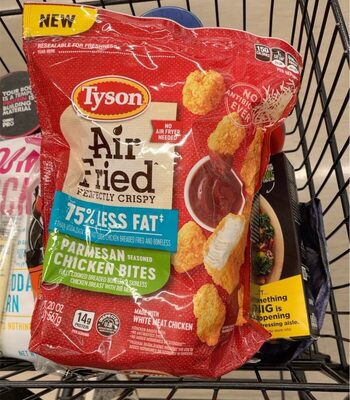 Tyson Foods, Inc.
Parmesan Seasoned Air Fried Chicken Bites, Parmesan Seasoned
High in sodium — 26% DV per serving
176kcal
16.5Protein
4.7Fat
17.6Carbs
Conagra Brands
HEALHTY CHOICE Cheesy Chicken And Rice Bake, 8.6 OZ
High in sodium — 26% DV per serving
91kcal
6.2Protein
2.1Fat
11.9Carbs
Tyson Foods, Inc.
Parmesan Seasoned Air Fried Chicken Bites, Parmesan Seasoned
High in sodium — 26% DV per serving
176kcal
16.5Protein
4.7Fat
17.6Carbs
Conagra Brands
HEALHTY CHOICE Cheesy Chicken And Rice Bake, 8.6 OZ
High in sodium — 26% DV per serving
91kcal
6.2Protein
2.1Fat
11.9Carbs
Learn more
Auto-generated content. This description was generated automatically and is pending editorial review. Inaccuracies are possible. Found a mistake? Contact us.