Parmesan & Cheddar Cheese
What is Parmesan & Cheddar Cheese?
Parmesan and Cheddar are types of cheese made from cow's milk. Cheese is produced by curdling milk, separating the curds from the whey, and then pressing and aging the curds. Parmesan is a hard, granular cheese, while Cheddar is a firm, often sharp-tasting cheese.
Is Parmesan & Cheddar Cheese vegan?
No. Parmesan & Cheddar Cheese is animal-derived, so it is not vegan.
Is Parmesan & Cheddar Cheese a major allergen?
Contains milk, which is one of the nine major food allergens identified by the FDA.
What is Parmesan & Cheddar Cheese used for?
These cheeses are added to packaged foods primarily for their distinct flavors and textures.
Is Parmesan & Cheddar Cheese safe?
Cheese, including Parmesan and Cheddar, is regulated by the FDA as a food product, with standards of identity defining what can be labeled as such.
Why it's used
These cheeses are added to packaged foods primarily for their distinct flavors and textures. They contribute savory notes, richness, and can help bind ingredients or create a desirable melt. They are commonly found in snacks, baked goods, and frozen meals.
Health notes
Cheese, including Parmesan and Cheddar, is regulated by the FDA as a food product, with standards of identity defining what can be labeled as such. As dairy products, they are a source of protein and calcium, but also contain saturated fat and sodium. The 2025-2030 Dietary Guidelines for Americans recommend limiting saturated fat intake to less than 10% of daily calories. The FDA's Daily Value for sodium is 2,300 mg.
Allergen info
Contains milk, which is one of the nine major food allergens identified by the FDA.
Foods that contain Parmesan & Cheddar Cheese
Compare products →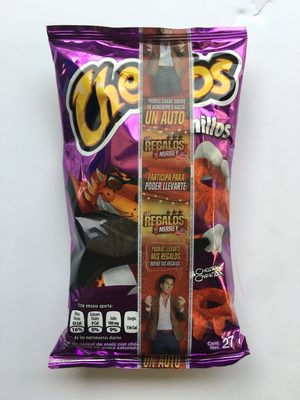 CHEETOS
Spicy Cheese Flavor Jumbo Colmillos, Spicy Cheese
541kcal
7.1Protein
31.8Fat
56.5Carbs
CHEETOS
Spicy Cheese Flavor Jumbo Colmillos, Spicy Cheese
541kcal
7.1Protein
31.8Fat
56.5Carbs
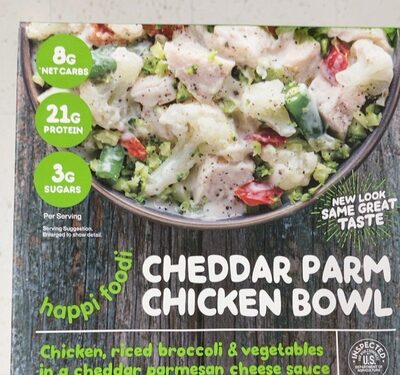 WaffleWaffle, LLC.
Cheedar Parm Chicken Bowl
High in sodium — 31% DV per serving
53kcal
6.7Protein
1.6Fat
3.9Carbs
CHEETOS
Spicy Cheese Jumbo Colmillos Fangs, Spicy Cheese
541kcal
7.1Protein
31.8Fat
56.5Carbs
Sugar Foods Corporation
Mrs. Cubbison's, Fat Free Seasoned Croutons
429kcal
14.3Protein
0Fat
71.4Carbs
WaffleWaffle, LLC.
Cheedar Parm Chicken Bowl
High in sodium — 31% DV per serving
53kcal
6.7Protein
1.6Fat
3.9Carbs
CHEETOS
Spicy Cheese Jumbo Colmillos Fangs, Spicy Cheese
541kcal
7.1Protein
31.8Fat
56.5Carbs
Sugar Foods Corporation
Mrs. Cubbison's, Fat Free Seasoned Croutons
429kcal
14.3Protein
0Fat
71.4Carbs
Learn more
Auto-generated content. This description was generated automatically and is pending editorial review. Inaccuracies are possible. Found a mistake? Contact us.