Parmesan Cheese Grated
What is Parmesan Cheese Grated?
Parmesan cheese is a hard, dry cheese traditionally made from cow's milk. It is produced in specific regions of Italy, following strict guidelines. The cheese is aged for at least 12 months, developing its characteristic granular texture and sharp, nutty flavor.
Is Parmesan Cheese Grated vegan?
No. Parmesan Cheese Grated is animal-derived, so it is not vegan.
Is Parmesan Cheese Grated gluten-free?
It does not contain gluten.
Is Parmesan Cheese Grated a major allergen?
Parmesan cheese is derived from cow's milk, which is one of the nine major allergens identified by the FDA.
What is Parmesan Cheese Grated used for?
Manufacturers use grated Parmesan cheese primarily as a flavoring ingredient.
Is Parmesan Cheese Grated safe?
Parmesan cheese is generally recognized as safe (GRAS) by the FDA as a food ingredient.
Why it's used
Manufacturers use grated Parmesan cheese primarily as a flavoring ingredient. Its intense savory taste makes it a popular topping for pasta dishes, pizzas, salads, and soups. It can also be incorporated into sauces, breadings, and baked goods to add a rich, cheesy note.
Health notes
Parmesan cheese is generally recognized as safe (GRAS) by the FDA as a food ingredient. It is a source of protein, calcium, and other nutrients. While generally considered healthy in moderation as part of a balanced diet, like all dairy products, it contains saturated fat and sodium. JECFA and EFSA have evaluated cheese and dairy products in general, but specific evaluations for Parmesan are not typically highlighted.
Allergen info
Parmesan cheese is derived from cow's milk, which is one of the nine major allergens identified by the FDA. It does not contain gluten.
Foods that contain Parmesan Cheese Grated
Compare products →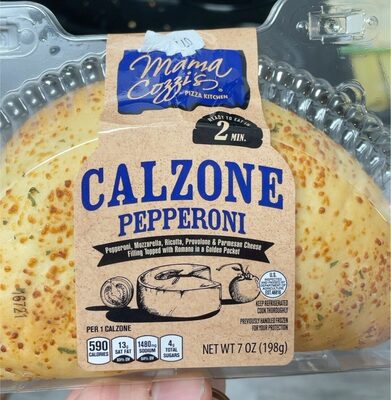 MAMA COZZI'S
Calzone Pepperoni, Provolone, Mozzarella, Rice & Parmesan Cheese Filling Topped With Romano In A Golden Pocket
High in sodium — 66% DV per serving
High in saturated fat — 70% DV per serving
High in cholesterol — 23% DV per serving
298kcal
13.1Protein
16.2Fat
25.2Carbs
Depalos Bakery Inc
Calzone Pepperoni & Cheese
High in sodium — 38% DV per serving
High in saturated fat — 40% DV per serving
301kcal
14.2Protein
15.9Fat
25.7Carbs
Depalos Bakery Inc
Stromboli Spinach & Cheese Spinach, Tomato, & Cheese Rolled In A Golden Crust
High in sodium — 20% DV per serving
224kcal
10.6Protein
8.2Fat
28.2Carbs
MAMA COZZI'S
Calzone Pepperoni, Provolone, Mozzarella, Rice & Parmesan Cheese Filling Topped With Romano In A Golden Pocket
High in sodium — 66% DV per serving
High in saturated fat — 70% DV per serving
High in cholesterol — 23% DV per serving
298kcal
13.1Protein
16.2Fat
25.2Carbs
Depalos Bakery Inc
Calzone Pepperoni & Cheese
High in sodium — 38% DV per serving
High in saturated fat — 40% DV per serving
301kcal
14.2Protein
15.9Fat
25.7Carbs
Depalos Bakery Inc
Stromboli Spinach & Cheese Spinach, Tomato, & Cheese Rolled In A Golden Crust
High in sodium — 20% DV per serving
224kcal
10.6Protein
8.2Fat
28.2Carbs
Learn more
Auto-generated content. This description was generated automatically and is pending editorial review. Inaccuracies are possible. Found a mistake? Contact us.