Parsley
What is Parsley?
Parsley is a popular herb derived from the plant *Petroselinum crispum*. It is a biennial plant, meaning it lives for two years, and is native to the central Mediterranean region. It is commonly used fresh, dried, or as a dried flake.
Is Parsley vegan?
Parsley is not animal-derived. Products that contain it can still include other animal-derived ingredients, so check the full ingredient list.
Is Parsley a major allergen?
Not a major allergen.
What is Parsley used for?
Manufacturers add parsley primarily for its distinct fresh, slightly peppery, and herbaceous flavor, as well as for visual appeal.
Is Parsley safe?
Parsley is a common food ingredient and is generally recognized as safe (GRAS) by the FDA when used as a spice or flavoring.
Why it's used
Manufacturers add parsley primarily for its distinct fresh, slightly peppery, and herbaceous flavor, as well as for visual appeal. It is frequently found in seasoning mixes, sauces, marinades, and meat products like sausages and hotdogs to enhance taste and appearance.
Health notes
Parsley is a common food ingredient and is generally recognized as safe (GRAS) by the FDA when used as a spice or flavoring. At typical dietary intake levels, it is not associated with adverse health effects. As a common food, it has not been evaluated by JECFA or EFSA as a food additive with an Acceptable Daily Intake (ADI). There are no notable controversies regarding its safety in food applications.
Allergen info
Not a major allergen.
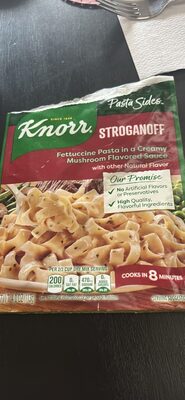
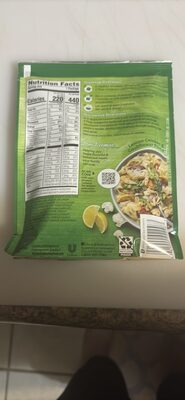
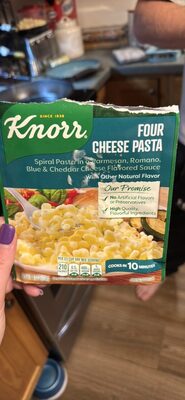
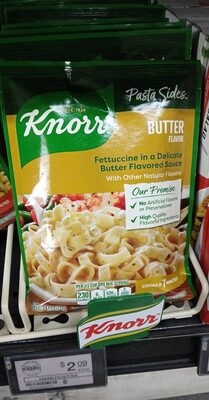
Foods that contain Parsley
Compare products →

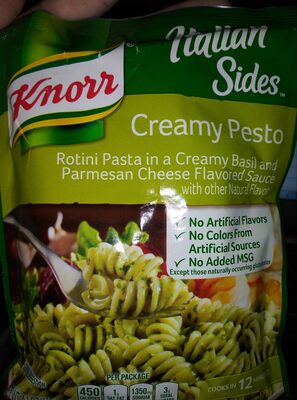
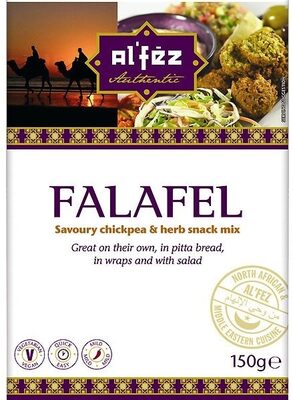

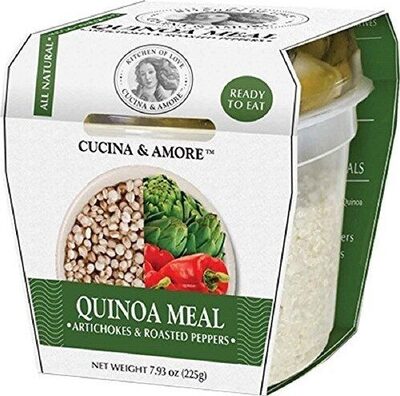
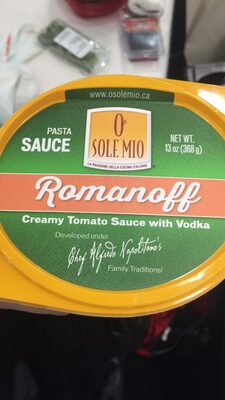


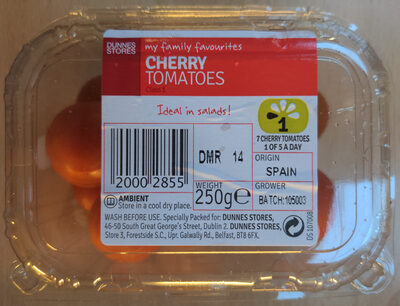


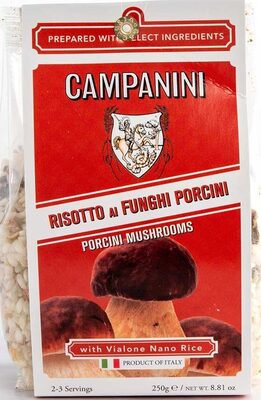
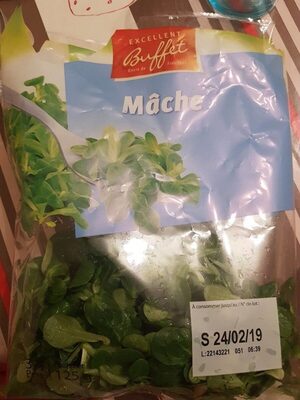
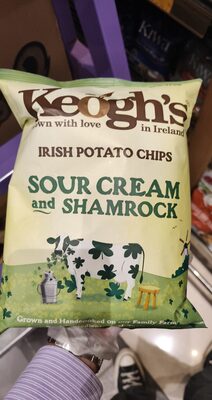
Learn more
Auto-generated content. This description was generated automatically and is pending editorial review. Inaccuracies are possible. Found a mistake? Contact us.