Part-skim Milk Cheese Cultures
What is Part-skim Milk Cheese Cultures?
Cheese cultures are live or inactive microorganisms, primarily bacteria, used in cheesemaking. They are added to milk to start the fermentation process, which develops flavor, texture, and aroma in cheese. Part-skim milk cheese cultures are specifically used in the production of cheeses made from milk with reduced fat content.
Is Part-skim Milk Cheese Cultures vegan?
No. Part-skim Milk Cheese Cultures is animal-derived, so it is not vegan.
Is Part-skim Milk Cheese Cultures a major allergen?
Part-skim milk cheese cultures are derived from milk, which is one of the nine major allergens recognized by the FDA.
What is Part-skim Milk Cheese Cultures used for?
Manufacturers use cheese cultures to create the characteristic flavors and textures of various cheeses.
Is Part-skim Milk Cheese Cultures safe?
Cheese cultures are generally recognized as safe (GRAS) by the FDA for use in food.
Why it's used
Manufacturers use cheese cultures to create the characteristic flavors and textures of various cheeses. They also play a role in the preservation of cheese by producing acids that inhibit spoilage organisms. These cultures are essential in a wide range of dairy products, including many types of cheese, yogurt, and some fermented sauces.
Health notes
Cheese cultures are generally recognized as safe (GRAS) by the FDA for use in food. The microorganisms used are typically strains of lactic acid bacteria that have a long history of safe consumption in fermented foods. International bodies like JECFA have evaluated many of the specific bacterial strains used in food production. There are no widespread controversies regarding the consumption of cheese cultures at typical levels found in food.
Allergen info
Part-skim milk cheese cultures are derived from milk, which is one of the nine major allergens recognized by the FDA. Therefore, products containing these cultures must be labeled as containing milk.
Foods that contain Part-skim Milk Cheese Cultures
Compare products →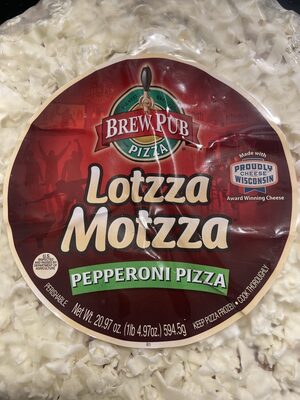
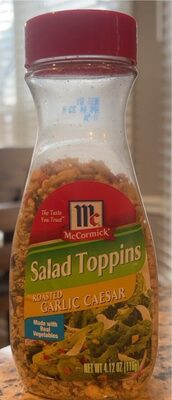
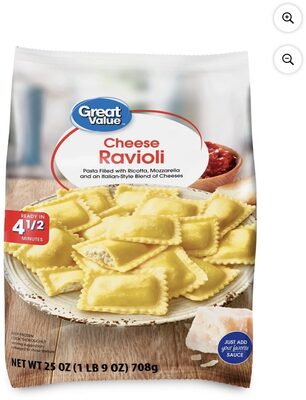
Learn more
Auto-generated content. This description was generated automatically and is pending editorial review. Inaccuracies are possible. Found a mistake? Contact us.