Partially Hydrogenated Soy
Auto-generated content. This description was generated automatically and is pending editorial review. Inaccuracies are possible. Found a mistake? Contact us.
What it is
Partially hydrogenated soy is a type of fat derived from soybean oil. It undergoes a process called partial hydrogenation, which changes the oil's chemical structure, making it more solid at room temperature. This process also creates artificial trans fats.
Why it's used
Manufacturers historically used partially hydrogenated soy to improve the texture, stability, and shelf life of processed foods. It was commonly found in baked goods, snack foods, and fried items to provide desired consistency and prevent spoilage.
Health notes
In the United States, partially hydrogenated oils (PHOs) are no longer generally recognized as safe (GRAS) for use in food, a determination made by the FDA in 2015 with a compliance date of 2018. This action was taken because PHOs are the primary source of artificial trans fat, which has been linked to increased risk of heart disease. The FDA's decision effectively removed most artificial trans fat from the US food supply. JECFA has evaluated trans fatty acids and their health implications.
Allergen info
This ingredient is derived from soy, which is one of the nine major food allergens identified by the FDA.
Products containing Partially Hydrogenated Soy
Compare products →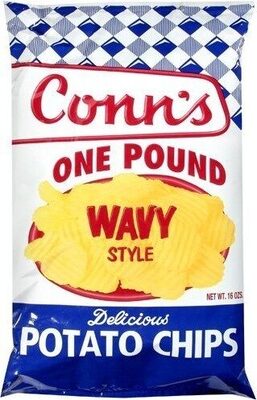 Conn's Potato Chip Co.
Potato Chips
536kcal
3.6Protein
35.7Fat
46.4Carbs
Tortilla King, Inc.
Flour Tortillas
High in sodium — 20% DV per serving
255kcal
7.7Protein
2.3Fat
50.8Carbs
Conn's Potato Chip Co.
Potato Chips
536kcal
3.6Protein
35.7Fat
46.4Carbs
Tortilla King, Inc.
Flour Tortillas
High in sodium — 20% DV per serving
255kcal
7.7Protein
2.3Fat
50.8Carbs