Pasteurized Butter
What is Pasteurized Butter?
Pasteurized butter is a dairy product made by churning pasteurized cream. This process separates the milk fat from the buttermilk, resulting in a solid fat. Pasteurization is a heat treatment that kills harmful bacteria, making the product safer to consume.
Is Pasteurized Butter vegan?
No. Pasteurized Butter is animal-derived, so it is not vegan.
Is Pasteurized Butter a major allergen?
Butter is derived from milk, which is one of the nine major food allergens identified by the FDA.
What is Pasteurized Butter used for?
Butter is widely used in cooking, baking, and as a spread due to its rich flavor and creamy texture.
Is Pasteurized Butter safe?
As a traditional food, butter is generally recognized as safe (GRAS) when used as an ingredient.
Why it's used
Butter is widely used in cooking, baking, and as a spread due to its rich flavor and creamy texture. It adds moisture, tenderness, and a distinct taste to many foods, including pastries, sauces, and savory dishes.
Health notes
As a traditional food, butter is generally recognized as safe (GRAS) when used as an ingredient. It is a source of saturated fat, and the 2025-2030 Dietary Guidelines for Americans recommend limiting saturated fat intake to less than 10% of daily calories. JECFA and EFSA do not typically evaluate butter as a food additive.
Allergen info
Butter is derived from milk, which is one of the nine major food allergens identified by the FDA. Individuals with milk allergies should avoid butter.
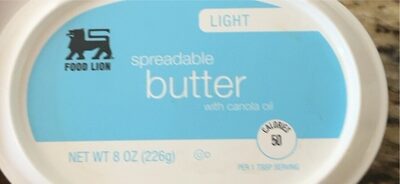
Foods that contain Pasteurized Butter
Compare products →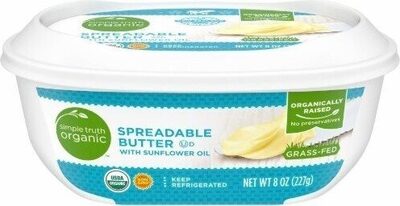
Learn more
Auto-generated content. This description was generated automatically and is pending editorial review. Inaccuracies are possible. Found a mistake? Contact us.