Pasteurized Cow's Milk Sheep's Milk
Auto-generated content. This description was generated automatically and is pending editorial review. Inaccuracies are possible. Found a mistake? Contact us.
What it is
This ingredient is a blend of milk from cows and sheep that has been pasteurized. Pasteurization is a process that heats milk to a specific temperature for a set period to kill harmful bacteria, making it safer for consumption.
Why it's used
Manufacturers use this milk blend as a base for dairy products like cheeses and yogurts, or as a liquid ingredient in baked goods and prepared meals. Its rich flavor and nutritional content make it suitable for a variety of food applications.
Health notes
Pasteurized cow's and sheep's milk are considered safe and nutritious foods by regulatory bodies like the FDA. They are a natural source of protein, calcium, and vitamin D. While generally recognized as safe, milk can be a source of saturated fat, and excessive intake of any food should be avoided as part of a balanced diet. JECFA and EFSA have evaluated milk and dairy products extensively.
Allergen info
Milk is one of the FDA's nine major allergens. Individuals with a milk allergy should avoid this ingredient.
Products containing Pasteurized Cow's Milk Sheep's Milk
Compare products →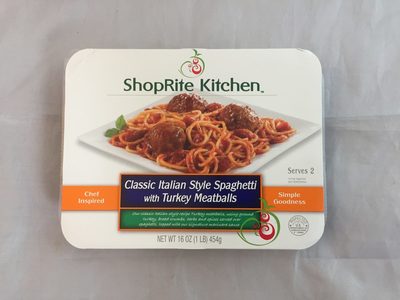 Wakefern Food Corporation
Shoprite, Kitchen, Classic Italian Style Spaghetti With Turkey Meatballs
High in sodium — 36% DV per serving
High in saturated fat — 20% DV per serving
High in cholesterol — 28% DV per serving
167kcal
13.2Protein
6.2Fat
17.2Carbs
Wakefern Food Corporation
Shoprite, Kitchen, Classic Italian Style Spaghetti With Turkey Meatballs
High in sodium — 36% DV per serving
High in saturated fat — 20% DV per serving
High in cholesterol — 28% DV per serving
167kcal
13.2Protein
6.2Fat
17.2Carbs
 Butera's Fine Foods
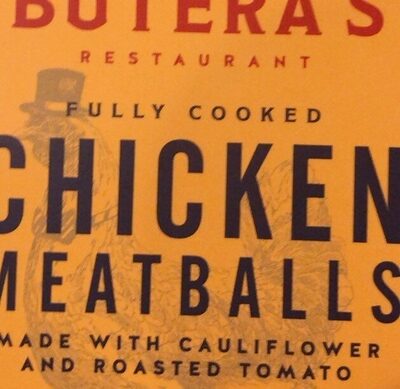
Chicken Meatballs, Chicken
High in cholesterol — 27% DV per serving
153kcal
16.5Protein
8.2Fat
3.5Carbs
Butera's Fine Foods
Chicken Meatballs, Chicken
High in cholesterol — 27% DV per serving
153kcal
16.5Protein
8.2Fat
3.5Carbs
 Butera's Fine Foods
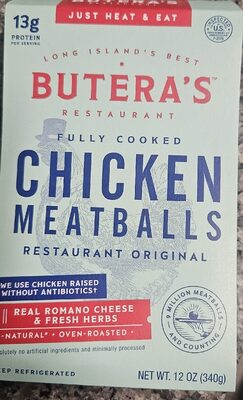
Chicken Meatballs, Chicken
High in cholesterol — 20% DV per serving
165kcal
15.3Protein
8.2Fat
7.1Carbs
C & F Packing Co. Inc.
Restaurant Original Chicken Meatballs, Restaurant Original
High in cholesterol — 20% DV per serving
165kcal
15.3Protein
8.2Fat
7.1Carbs
C & F Packing Co. Inc.
Chicken Meatballs Fully Cooked Made With Cauliflower And Roasted Tomato, Chicken
High in cholesterol — 27% DV per serving
153kcal
16.5Protein
8.2Fat
3.5Carbs
Butera's Fine Foods
Chicken Meatballs, Chicken
High in cholesterol — 20% DV per serving
165kcal
15.3Protein
8.2Fat
7.1Carbs
C & F Packing Co. Inc.
Restaurant Original Chicken Meatballs, Restaurant Original
High in cholesterol — 20% DV per serving
165kcal
15.3Protein
8.2Fat
7.1Carbs
C & F Packing Co. Inc.
Chicken Meatballs Fully Cooked Made With Cauliflower And Roasted Tomato, Chicken
High in cholesterol — 27% DV per serving
153kcal
16.5Protein
8.2Fat
3.5Carbs