Pasteurized Cultured Cow's Milk And Cream
What is Pasteurized Cultured Cow's Milk And Cream?
This ingredient is made from cow's milk that has been pasteurized (heated to kill harmful bacteria) and then cultured. Culturing involves adding beneficial bacteria (like those used in yogurt or cheese making) which ferment the milk and cream, developing flavor and texture.
Is Pasteurized Cultured Cow's Milk And Cream vegan?
No. Pasteurized Cultured Cow's Milk And Cream is animal-derived, so it is not vegan.
Is Pasteurized Cultured Cow's Milk And Cream a major allergen?
Milk is one of the 9 FDA major allergens.
What is Pasteurized Cultured Cow's Milk And Cream used for?
Manufacturers use pasteurized cultured milk and cream to add a rich, tangy flavor and creamy texture to foods.
Is Pasteurized Cultured Cow's Milk And Cream safe?
Pasteurized cultured milk and cream is generally recognized as safe (GRAS) by the FDA.
Why it's used
Manufacturers use pasteurized cultured milk and cream to add a rich, tangy flavor and creamy texture to foods. It is a primary ingredient in many cheeses, sour cream, yogurt, and some baked goods or dips.
Health notes
Pasteurized cultured milk and cream is generally recognized as safe (GRAS) by the FDA. It is a natural source of protein, calcium, and other nutrients. Consuming dairy products like these is associated with bone health, though some individuals may experience digestive discomfort due to lactose intolerance.
Allergen info
Milk is one of the 9 FDA major allergens. This ingredient is derived directly from milk.
Foods that contain Pasteurized Cultured Cow's Milk And Cream
Compare products →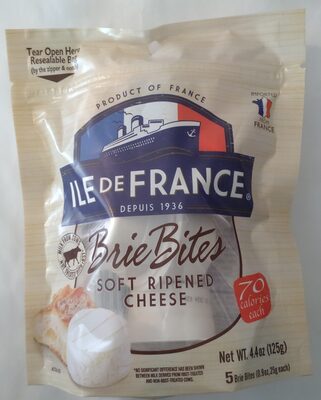
Learn more
Auto-generated content. This description was generated automatically and is pending editorial review. Inaccuracies are possible. Found a mistake? Contact us.