Pasteurized Milk/skim Milk
What is Pasteurized Milk/skim Milk?
Pasteurized milk is milk that has been heated to a specific temperature for a set period to kill harmful bacteria. Skim milk is milk that has had most of its fat removed.
Is Pasteurized Milk/skim Milk vegan?
No. Pasteurized Milk/skim Milk is animal-derived, so it is not vegan.
Is Pasteurized Milk/skim Milk gluten-free?
Gluten is not present.
Is Pasteurized Milk/skim Milk a major allergen?
Milk is one of the 9 FDA major allergens.
What is Pasteurized Milk/skim Milk used for?
Milk and skim milk are often used as a base ingredient in dairy products like cheese and yogurt, or added to baked goods and beverages for moisture and richness.
Is Pasteurized Milk/skim Milk safe?
Pasteurized milk and skim milk are considered safe and nutritious foods by the FDA.
Why it's used
Milk and skim milk are often used as a base ingredient in dairy products like cheese and yogurt, or added to baked goods and beverages for moisture and richness. They contribute to texture, flavor, and nutritional value in foods like pizza, frozen dinners, and deli items.
Health notes
Pasteurized milk and skim milk are considered safe and nutritious foods by the FDA. They are a natural source of protein, calcium, and vitamin D (if fortified). While generally recognized as safe, some individuals may have lactose intolerance or milk allergies. Regulatory bodies like the WHO and EFSA have not raised specific health concerns regarding the consumption of pasteurized milk at typical levels.
Allergen info
Milk is one of the 9 FDA major allergens. Gluten is not present.
Foods that contain Pasteurized Milk/skim Milk
Compare products →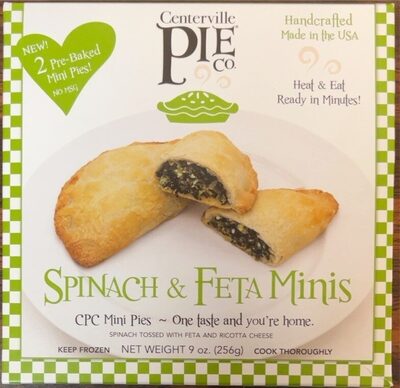 Centerville Pie Company, Inc
Spinach Tossed With Feta Minis And Ricotta Cheese, Spinach & Feta And Ricotta
High in sodium — 20% DV per serving
High in saturated fat — 60% DV per serving
305kcal
5.5Protein
20.3Fat
25Carbs
Ko-Fro Food Inc.
Pizza Squares
263kcal
9.2Protein
9.2Fat
34.2Carbs
Connie's Pizza Inc.
Traditional Crust Handmade Pizza, Traditional Crust
High in sodium — 23% DV per serving
High in saturated fat — 30% DV per serving
236kcal
11.3Protein
11.3Fat
23.6Carbs
Russell McCall's Inc.
Smoked Gouda Pasteurized Process Cheese Product Slices, Smoked Gouda
High in saturated fat — 22% DV per serving
321kcal
17.9Protein
21.4Fat
7.1Carbs
Centerville Pie Company, Inc
Spinach Tossed With Feta Minis And Ricotta Cheese, Spinach & Feta And Ricotta
High in sodium — 20% DV per serving
High in saturated fat — 60% DV per serving
305kcal
5.5Protein
20.3Fat
25Carbs
Ko-Fro Food Inc.
Pizza Squares
263kcal
9.2Protein
9.2Fat
34.2Carbs
Connie's Pizza Inc.
Traditional Crust Handmade Pizza, Traditional Crust
High in sodium — 23% DV per serving
High in saturated fat — 30% DV per serving
236kcal
11.3Protein
11.3Fat
23.6Carbs
Russell McCall's Inc.
Smoked Gouda Pasteurized Process Cheese Product Slices, Smoked Gouda
High in saturated fat — 22% DV per serving
321kcal
17.9Protein
21.4Fat
7.1Carbs
Learn more
Auto-generated content. This description was generated automatically and is pending editorial review. Inaccuracies are possible. Found a mistake? Contact us.