Pasteurized Partskim Cow's Milk
What is Pasteurized Partskim Cow's Milk?
Pasteurized partskim cow's milk is milk from cows that has had some of its fat removed (partskim) and has been heated to kill harmful bacteria (pasteurized). It is a common ingredient in dairy products and processed foods.
Is Pasteurized Partskim Cow's Milk vegan?
No. Pasteurized Partskim Cow's Milk is animal-derived, so it is not vegan.
Is Pasteurized Partskim Cow's Milk a major allergen?
Milk is one of the 9 major allergens recognized by the FDA.
What is Pasteurized Partskim Cow's Milk used for?
Manufacturers use pasteurized partskim cow's milk as a base for many dairy products like cheese and yogurt.
Is Pasteurized Partskim Cow's Milk safe?
Pasteurized partskim cow's milk is a common food ingredient and is generally recognized as safe (GRAS) by the FDA.
Why it's used
Manufacturers use pasteurized partskim cow's milk as a base for many dairy products like cheese and yogurt. It also adds moisture, protein, and a creamy texture to baked goods, sauces, and other processed foods.
Health notes
Pasteurized partskim cow's milk is a common food ingredient and is generally recognized as safe (GRAS) by the FDA. It is a source of protein, calcium, and vitamin D. While generally safe, individuals with lactose intolerance may experience digestive discomfort. The WHO has not specifically evaluated pasteurized partskim cow's milk.
Allergen info
Milk is one of the 9 major allergens recognized by the FDA. This ingredient is derived from milk.
Foods that contain Pasteurized Partskim Cow's Milk
Compare products →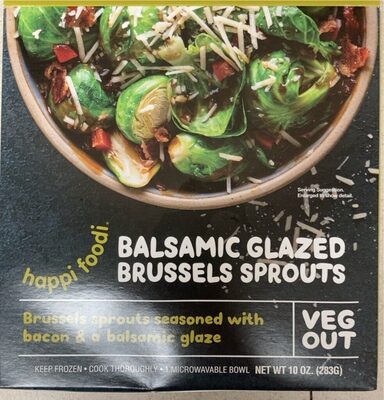 WaffleWaffle, LLC.
Glazed Brussels, Sprouts & Bacon Brussels Sprouts Topped With Bacon & A Balsamic Glaze, Glazed Brussels Sprouts & Bacon
138kcal
5.3Protein
6.4Fat
9.6Carbs
WaffleWaffle, LLC.
Glazed Brussels, Sprouts & Bacon Brussels Sprouts Topped With Bacon & A Balsamic Glaze, Glazed Brussels Sprouts & Bacon
138kcal
5.3Protein
6.4Fat
9.6Carbs
 Glencourt Inc.
Uncured Pepperoni Gluten Free Cauliflower Crust Pizza Topped With Tomato Sauce, A Blend Of Mozzarella, Parmesan And Romano Cheeses, And Uncured Pepperoni, Uncured Pepperoni
High in sodium — 44% DV per serving
High in saturated fat — 55% DV per serving
High in cholesterol — 20% DV per serving
265kcal
11.3Protein
12.6Fat
27.8Carbs
Rabbit Creek Products, Inc.
Italian Parmesan Beer Bread Mix, Italian Parmesan
297kcal
8.1Protein
0Fat
64.9Carbs
Glencourt Inc.
Uncured Pepperoni Gluten Free Cauliflower Crust Pizza Topped With Tomato Sauce, A Blend Of Mozzarella, Parmesan And Romano Cheeses, And Uncured Pepperoni, Uncured Pepperoni
High in sodium — 44% DV per serving
High in saturated fat — 55% DV per serving
High in cholesterol — 20% DV per serving
265kcal
11.3Protein
12.6Fat
27.8Carbs
Rabbit Creek Products, Inc.
Italian Parmesan Beer Bread Mix, Italian Parmesan
297kcal
8.1Protein
0Fat
64.9Carbs
Learn more
Auto-generated content. This description was generated automatically and is pending editorial review. Inaccuracies are possible. Found a mistake? Contact us.