Pasteurized Sheep's Milk Cheese Culture
Auto-generated content. This description was generated automatically and is pending editorial review. Inaccuracies are possible. Found a mistake? Contact us.
What it is
This is a starter culture made from beneficial bacteria and sometimes enzymes, added to milk to help it ferment and develop flavor and texture. It is typically derived from sheep's milk, which is pasteurized to ensure safety before the culture is introduced.
Why it's used
Cheese cultures are essential for cheesemaking, converting lactose (milk sugar) into lactic acid. This process lowers the pH, which helps coagulate the milk proteins and contributes to the characteristic flavor and preservation of various cheeses.
Health notes
Cheese cultures are generally recognized as safe (GRAS) by the FDA for use in food. They are considered a natural part of fermented dairy products. International bodies like JECFA have evaluated many starter cultures, but specific evaluations for this precise combination may vary. No significant health concerns are associated with the consumption of cheese made with these cultures at typical levels.
Allergen info
Cheese is a dairy product and therefore derived from milk, which is one of the 9 FDA major allergens. It does not contain gluten.
Products containing Pasteurized Sheep's Milk Cheese Culture
Compare products →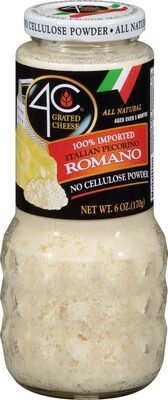 4C Foods Corp.
Italian Pecorino Romano Grated Cheese, Italian Pecorino Romano
500kcal
20Protein
40Fat
0Carbs
Hannaford Bros. Co.
Spaghetti With Meatballs Meal
High in sodium — 20% DV per serving
119kcal
7.9Protein
3.5Fat
—Carbs
New York Ravioli and Pasta Co., Inc.
Jumbo Round Ravioli, Goat Cheese & Herb
High in saturated fat — 40% DV per serving
205kcal
9.9Protein
9.3Fat
23.2Carbs
4C Foods Corp.
Italian Pecorino Romano Grated Cheese, Italian Pecorino Romano
500kcal
20Protein
40Fat
0Carbs
Hannaford Bros. Co.
Spaghetti With Meatballs Meal
High in sodium — 20% DV per serving
119kcal
7.9Protein
3.5Fat
—Carbs
New York Ravioli and Pasta Co., Inc.
Jumbo Round Ravioli, Goat Cheese & Herb
High in saturated fat — 40% DV per serving
205kcal
9.9Protein
9.3Fat
23.2Carbs
 4C Foods Corp.
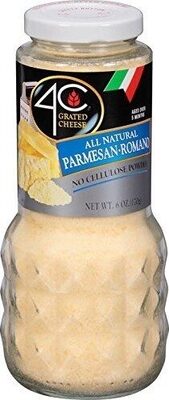
Parmesan-Romano Grated Cheese
500kcal
40Protein
30Fat
0Carbs
4C Foods Corp.
Parmesan-Romano Grated Cheese
500kcal
40Protein
30Fat
0Carbs
 4C Foods Corp.
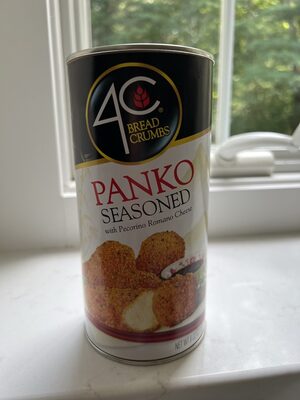
Seasoned With Pecorino Romano Cheese Panko Bread Crumbs, Seasoned
High in sodium — 20% DV per serving
357kcal
10.7Protein
3.6Fat
71.4Carbs
4C Foods Corp.
Seasoned With Pecorino Romano Cheese Panko Bread Crumbs, Seasoned
High in sodium — 20% DV per serving
357kcal
10.7Protein
3.6Fat
71.4Carbs