Pasturized Cow's Milk
Auto-generated content. This description was generated automatically and is pending editorial review. Inaccuracies are possible. Found a mistake? Contact us.
What it is
Pasteurized cow's milk is milk from cows that has been heated to a specific temperature for a set amount of time to kill harmful bacteria. This process helps make the milk safer to drink and extends its shelf life. It is a common ingredient in many dairy products.
Why it's used
Pasteurized cow's milk is used as a primary ingredient in a wide variety of dairy products like cheese, yogurt, butter, and ice cream. It also serves as a liquid base and source of protein and calcium in many processed foods.
Health notes
Pasteurized cow's milk is a staple food in the US and is generally recognized as safe (GRAS) by the FDA. It is a source of essential nutrients like calcium and vitamin D. Major international bodies like WHO/IARC and EFSA have not specifically evaluated pasteurized milk itself, but rather its components and potential contaminants. Concerns about milk consumption often relate to lactose intolerance or allergies, rather than the pasteurization process itself.
Allergen info
Milk is one of the nine major allergens recognized by the FDA. Individuals with a milk allergy should avoid products containing pasteurized cow's milk.
Products containing Pasturized Cow's Milk
Compare products →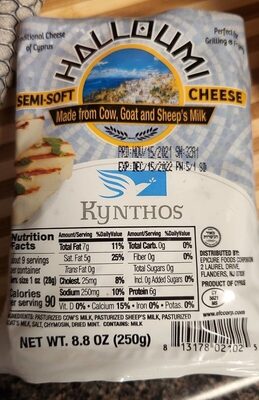 Epicure Foods Corporation
Halloumi Semi-Soft Cheese, Halloumi
High in saturated fat — 25% DV per serving
321kcal
21.4Protein
25Fat
0Carbs
Epicure Foods Corporation
Halloumi Semi-Soft Cheese, Halloumi
High in saturated fat — 25% DV per serving
321kcal
21.4Protein
25Fat
0Carbs