Pasturized Part-skim Milk
What is Pasturized Part-skim Milk?
Pasteurized part-skim milk is cow's milk that has had some of its fat removed and has been heated to a specific temperature for a set amount of time to kill harmful bacteria. It is a common ingredient in many dairy products.
Is Pasturized Part-skim Milk vegan?
No. Pasturized Part-skim Milk is animal-derived, so it is not vegan.
Is Pasturized Part-skim Milk gluten-free?
It is not gluten-containing.
Is Pasturized Part-skim Milk a major allergen?
Milk is one of the 9 major allergens identified by the FDA.
What is Pasturized Part-skim Milk used for?
Manufacturers use pasteurized part-skim milk as a base for a wide variety of dairy products, including cheeses, yogurts, and ice cream.
Is Pasturized Part-skim Milk safe?
Pasteurized part-skim milk is a source of protein, calcium, and vitamin D.
Why it's used
Manufacturers use pasteurized part-skim milk as a base for a wide variety of dairy products, including cheeses, yogurts, and ice cream. Its lower fat content compared to whole milk makes it a versatile ingredient for products where a lighter texture or reduced fat is desired.
Health notes
Pasteurized part-skim milk is a source of protein, calcium, and vitamin D. The U.S. Food and Drug Administration (FDA) considers milk and milk products to be safe and nutritious foods. While generally considered safe, some individuals may have lactose intolerance or milk allergies.
Allergen info
Milk is one of the 9 major allergens identified by the FDA. It is not gluten-containing.
Foods that contain Pasturized Part-skim Milk
Compare products →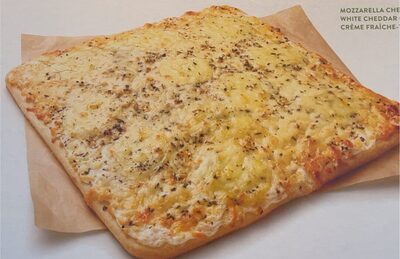 Publix Super Markets, Inc.
Bianca Mozzarella Cheese, White Cheddar Cheese & Creme Fraiche-Type Sauce Flatbread Pizza, Bianca
High in sodium — 25% DV per serving
High in saturated fat — 45% DV per serving
259kcal
11.6Protein
12.2Fat
25.9Carbs
Meijer, Inc.
Ham & Swiss Sub On White
High in sodium — 53% DV per serving
High in saturated fat — 20% DV per serving
212kcal
14.1Protein
5.9Fat
27.1Carbs
Current's Tackle
Diprato's, Gourmet Pimento Cheese
High in saturated fat — 22% DV per serving
500kcal
13.3Protein
46.7Fat
0Carbs
Weyauwega Star Dairy Inc.
Mozzarella Cheese, Mozzarella
286kcal
28.6Protein
17.9Fat
3.6Carbs
Publix Super Markets, Inc.
Bianca Mozzarella Cheese, White Cheddar Cheese & Creme Fraiche-Type Sauce Flatbread Pizza, Bianca
High in sodium — 25% DV per serving
High in saturated fat — 45% DV per serving
259kcal
11.6Protein
12.2Fat
25.9Carbs
Meijer, Inc.
Ham & Swiss Sub On White
High in sodium — 53% DV per serving
High in saturated fat — 20% DV per serving
212kcal
14.1Protein
5.9Fat
27.1Carbs
Current's Tackle
Diprato's, Gourmet Pimento Cheese
High in saturated fat — 22% DV per serving
500kcal
13.3Protein
46.7Fat
0Carbs
Weyauwega Star Dairy Inc.
Mozzarella Cheese, Mozzarella
286kcal
28.6Protein
17.9Fat
3.6Carbs
Learn more
Auto-generated content. This description was generated automatically and is pending editorial review. Inaccuracies are possible. Found a mistake? Contact us.