Peanut Cottonseed Palm Oil
What is Peanut Cottonseed Palm Oil?
Peanut oil is a vegetable oil extracted from roasted peanuts. It is known for its distinct nutty flavor and high smoke point, making it suitable for various cooking methods. The oil is typically produced through pressing or solvent extraction.
Is Peanut Cottonseed Palm Oil vegan?
Peanut Cottonseed Palm Oil is not animal-derived. Products that contain it can still include other animal-derived ingredients, so check the full ingredient list.
Is Peanut Cottonseed Palm Oil a major allergen?
Peanut oil is derived from peanuts, which are one of the FDA's nine major allergens.
What is Peanut Cottonseed Palm Oil used for?
Peanut oil is used as a cooking oil for frying, sautéing, and baking due to its flavor and heat stability.
Is Peanut Cottonseed Palm Oil safe?
Peanut oil is generally recognized as safe (GRAS) by the FDA for use in food.
Why it's used
Peanut oil is used as a cooking oil for frying, sautéing, and baking due to its flavor and heat stability. It is also used as an ingredient in salad dressings, sauces, and marinades. Manufacturers add it to impart a nutty taste and improve texture in processed foods.
Health notes
Peanut oil is generally recognized as safe (GRAS) by the FDA for use in food. It is a source of monounsaturated and polyunsaturated fats, which are considered healthier fats. JECFA and EFSA have evaluated peanut oil. While generally considered safe in moderation, excessive intake of any fat can contribute to calorie surplus.
Allergen info
Peanut oil is derived from peanuts, which are one of the FDA's nine major allergens. Individuals with peanut allergies should avoid products containing peanut oil.
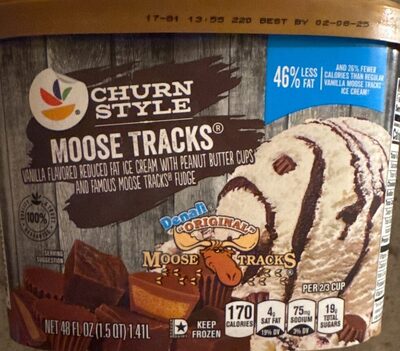
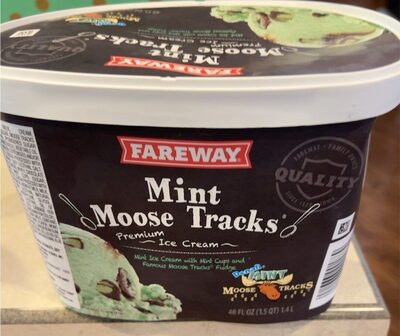
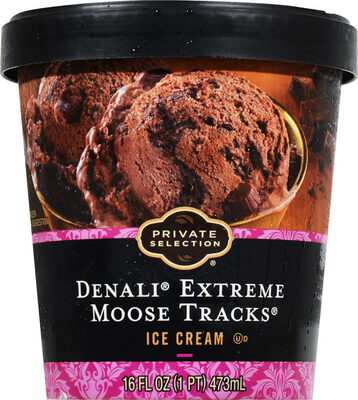
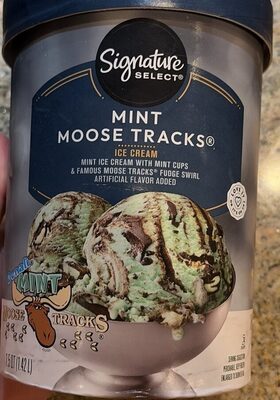
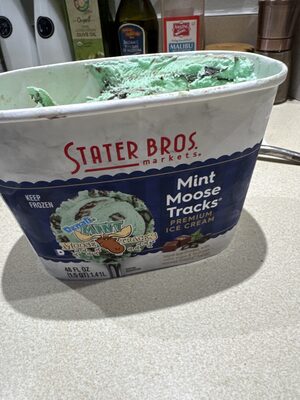
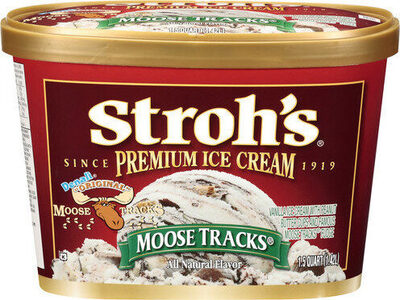
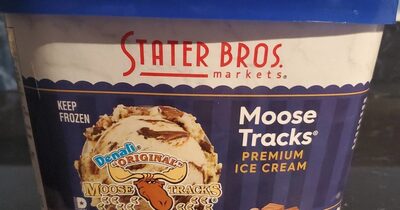
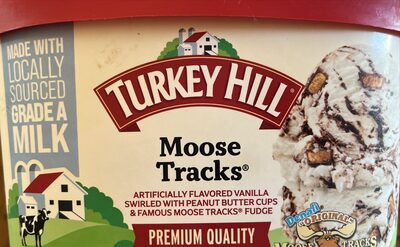
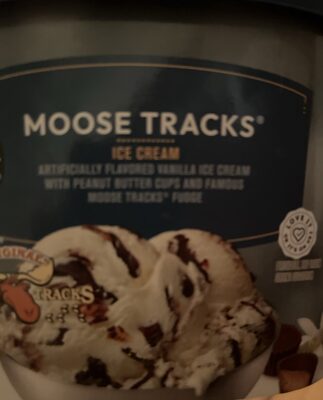
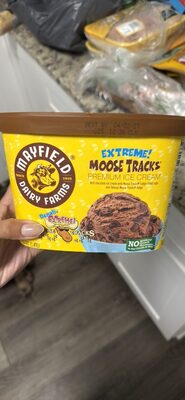
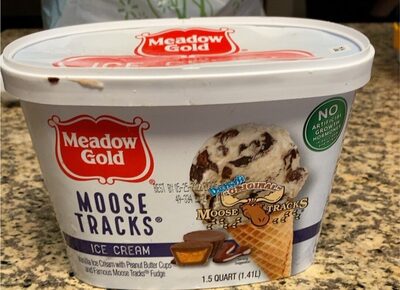
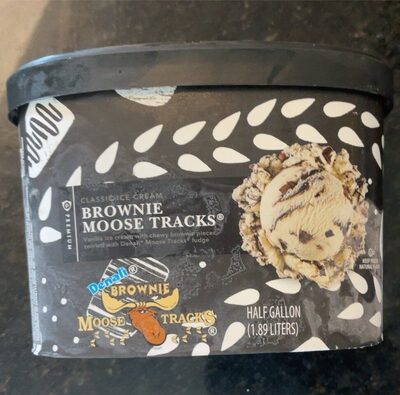
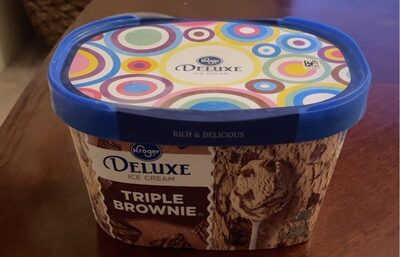
Foods that contain Peanut Cottonseed Palm Oil
Compare products →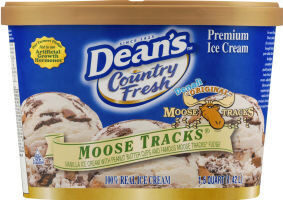
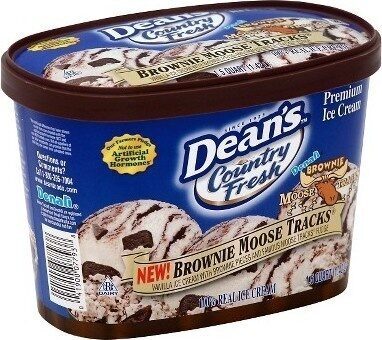
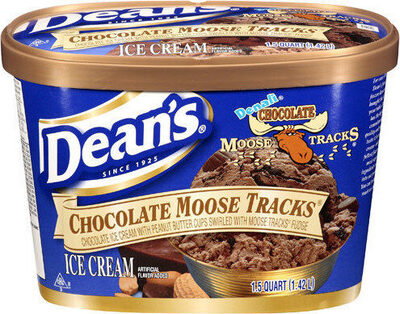
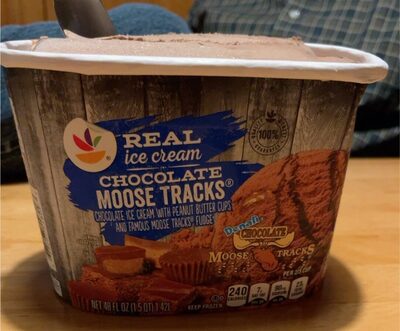
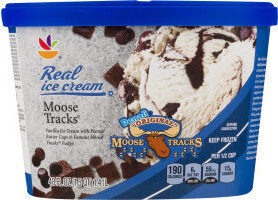 Ahold
Real Ice Cream
High in saturated fat — 25% DV per serving
250kcal
2.9Protein
14.7Fat
27.9Carbs


Learn more
Auto-generated content. This description was generated automatically and is pending editorial review. Inaccuracies are possible. Found a mistake? Contact us.