Penne
What is Penne?
Penne is a type of pasta with a cylindrical shape and angled ends, resembling the tip of a quill pen. It is typically made from durum wheat semolina and water, though other flours can be used. The dough is extruded through a die to create its characteristic shape and then dried.
Is Penne vegan?
Penne is not animal-derived. Products that contain it can still include other animal-derived ingredients, so check the full ingredient list.
Is Penne gluten-free?
Penne made from wheat semolina contains gluten and is derived from wheat, which is one of the 9 FDA major allergens.
What is Penne used for?
Penne is a versatile pasta shape commonly used in a wide variety of pasta dishes.
Is Penne safe?
Penne is a grain product and a source of carbohydrates.
Why it's used
Penne is a versatile pasta shape commonly used in a wide variety of pasta dishes. It holds sauces well due to its ridges and hollow center, making it popular in baked dishes, pasta salads, and with chunky or creamy sauces. It is a staple ingredient in many Italian-American and international cuisines.
Health notes
Penne is a grain product and a source of carbohydrates. The FDA considers pasta made from enriched semolina flour to be a staple food. Whole wheat versions provide dietary fiber. No specific health concerns are associated with the consumption of penne at typical dietary levels. Regulatory bodies like JECFA and EFSA have evaluated many food ingredients, but penne itself, as a basic pasta product, is not typically subject to the same additive evaluations.
Allergen info
Penne made from wheat semolina contains gluten and is derived from wheat, which is one of the 9 FDA major allergens. Consumers with celiac disease or gluten sensitivity should avoid wheat-based penne.
Foods that contain Penne
Compare products →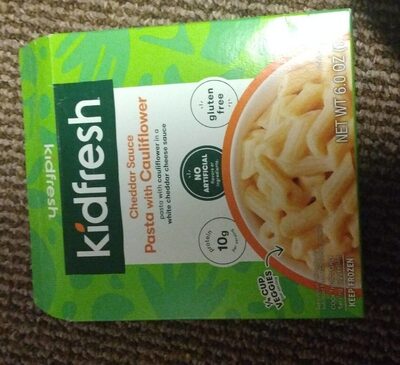
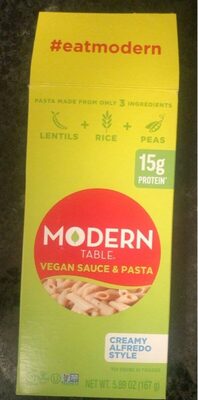
Learn more
Auto-generated content. This description was generated automatically and is pending editorial review. Inaccuracies are possible. Found a mistake? Contact us.