Permitted Plant Based Emulsifiers
What is Permitted Plant Based Emulsifiers?
Permitted plant-based emulsifiers are substances derived from plants that help mix ingredients that normally don't blend well, like oil and water. They are often extracted from sources such as soybeans, sunflowers, or rapeseed (canola). These emulsifiers are processed to isolate their active components, which are then used in food production.
Is Permitted Plant Based Emulsifiers vegan?
Permitted Plant Based Emulsifiers is not animal-derived. Products that contain it can still include other animal-derived ingredients, so check the full ingredient list.
Is Permitted Plant Based Emulsifiers gluten-free?
Gluten is not typically associated with plant-based emulsifiers unless cross-contamination occurs during processing.
Is Permitted Plant Based Emulsifiers a major allergen?
Depending on the specific plant source, some plant-based emulsifiers may be derived from major allergens like soy or sesame.
What is Permitted Plant Based Emulsifiers used for?
Manufacturers add plant-based emulsifiers to improve the texture and stability of food products.
Is Permitted Plant Based Emulsifiers safe?
In the U.S., many plant-based emulsifiers are Generally Recognized As Safe (GRAS) by the FDA, or approved as food additives.
Why it's used
Manufacturers add plant-based emulsifiers to improve the texture and stability of food products. They prevent separation and create a smoother consistency, acting as emulsifiers. They are commonly found in a variety of processed foods, including baked goods, dressings, and dairy alternatives.
Health notes
In the U.S., many plant-based emulsifiers are Generally Recognized As Safe (GRAS) by the FDA, or approved as food additives. These ingredients are typically consumed in small amounts and are not associated with adverse health effects at these levels. International bodies like JECFA and EFSA have evaluated various emulsifiers, often setting acceptable daily intake levels. Evidence regarding specific health impacts is generally consistent, with no widespread controversies.
Allergen info
Depending on the specific plant source, some plant-based emulsifiers may be derived from major allergens like soy or sesame. Consumers should check product labels for specific allergen information. Gluten is not typically associated with plant-based emulsifiers unless cross-contamination occurs during processing.
Foods that contain Permitted Plant Based Emulsifiers
Compare products →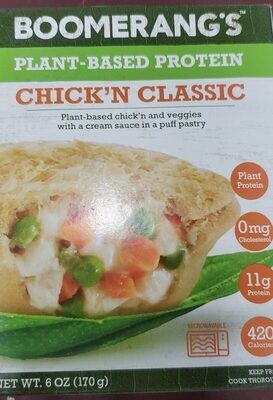
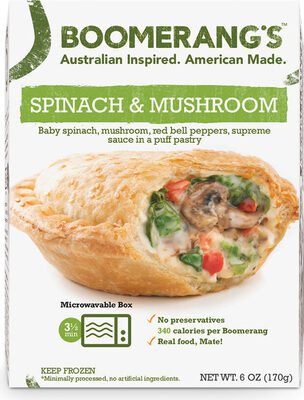
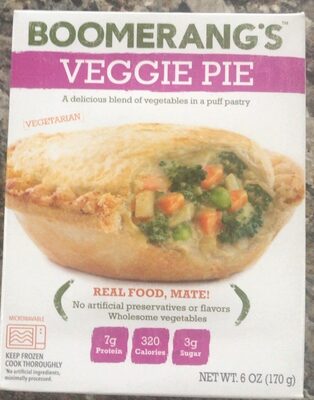

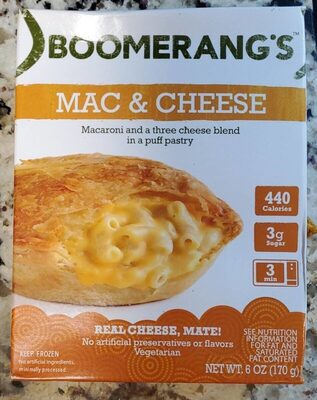
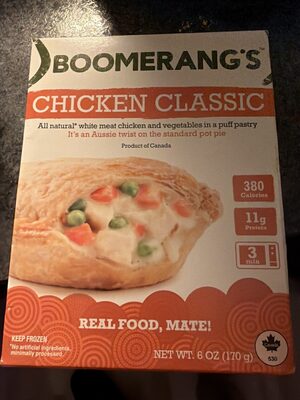
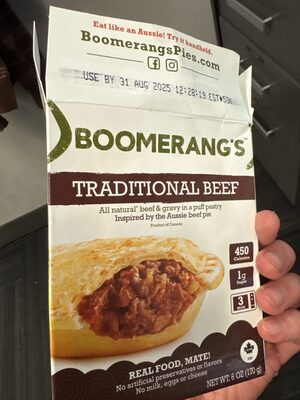
Learn more
Auto-generated content. This description was generated automatically and is pending editorial review. Inaccuracies are possible. Found a mistake? Contact us.