Phylloquinone And Vitamin D3
Auto-generated content. This description was generated automatically and is pending editorial review. Inaccuracies are possible. Found a mistake? Contact us.
What it is
Phylloquinone is the chemical name for Vitamin K1. Vitamin D3, also known as cholecalciferol, is a form of Vitamin D. Both are essential nutrients that the body needs to function properly. Vitamin K1 is found in leafy green vegetables, while Vitamin D3 can be produced by the skin when exposed to sunlight or obtained from certain foods like fatty fish.
Why it's used
These vitamins are often added to foods to increase their nutritional value, particularly in fortified products. They are commonly found in dairy products like milk, as well as in various drinks and nutritional supplements designed to support energy and muscle health. Manufacturers add them to help consumers meet their daily recommended intake of these essential nutrients.
Health notes
Both Vitamin K1 and Vitamin D3 are recognized as essential nutrients. The FDA considers them to be dietary ingredients. JECFA and EFSA have evaluated various forms of Vitamin D and Vitamin K. While generally recognized as safe when consumed at typical dietary levels, excessive intake of certain forms of Vitamin D can lead to adverse health effects. Evidence regarding optimal intake levels and specific health benefits continues to be researched.
Allergen info
Neither phylloquinone nor Vitamin D3 are derived from any of the 9 FDA major allergens. They do not contain gluten.
Products containing Phylloquinone And Vitamin D3
Compare products →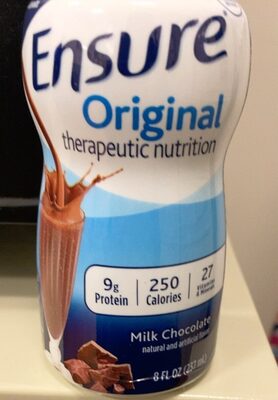 Abbott Laboratories Inc
Original Therapeutic Nutrition, Milk Chocolate
High in sodium — 248% DV per serving
High in saturated fat — 150% DV per serving
High in cholesterol — 50% DV per serving
3125kcal
112Protein
75Fat
525Carbs
Abbott Laboratories Inc
Original Therapeutic Nutrition, Milk Chocolate
High in sodium — 248% DV per serving
High in saturated fat — 150% DV per serving
High in cholesterol — 50% DV per serving
3125kcal
112Protein
75Fat
525Carbs
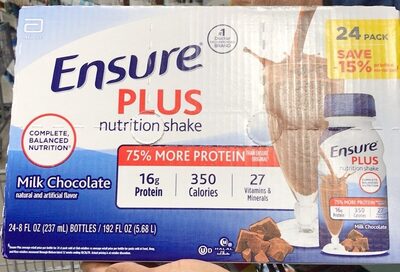 Abbott Laboratories Inc
Milk Chocolate Plus Nutrition Shake, Milk Chocolate
High in sodium — 391% DV per serving
High in saturated fat — 225% DV per serving
High in cholesterol — 100% DV per serving
4375kcal
162Protein
138Fat
638Carbs
Abbott Laboratories Inc
Abbott, Ensure, Original Nutrition Shake, Milk Chocolate, Milk Chocolate
92kcal
3.8Protein
2.5Fat
13.8Carbs
Rite Aid Corporation
Nutrition Shake, Chocolate
92kcal
3.8Protein
2.5Fat
13.8Carbs
Delhaize America, Inc.
Nutrition Shake, Chocolate
92kcal
3.8Protein
2.5Fat
13.8Carbs
Walgreens Co.
Nutritional Shake, Creamy Milk Chocolate
92kcal
3.8Protein
2.5Fat
13.8Carbs
Selecto Inc.
Therapeutic Nutrition, Milk Chocolate
146kcal
5.4Protein
4.6Fat
21.7Carbs
Abbott Laboratories Inc
Milk Chocolate Plus Nutrition Shake, Milk Chocolate
High in sodium — 391% DV per serving
High in saturated fat — 225% DV per serving
High in cholesterol — 100% DV per serving
4375kcal
162Protein
138Fat
638Carbs
Abbott Laboratories Inc
Abbott, Ensure, Original Nutrition Shake, Milk Chocolate, Milk Chocolate
92kcal
3.8Protein
2.5Fat
13.8Carbs
Rite Aid Corporation
Nutrition Shake, Chocolate
92kcal
3.8Protein
2.5Fat
13.8Carbs
Delhaize America, Inc.
Nutrition Shake, Chocolate
92kcal
3.8Protein
2.5Fat
13.8Carbs
Walgreens Co.
Nutritional Shake, Creamy Milk Chocolate
92kcal
3.8Protein
2.5Fat
13.8Carbs
Selecto Inc.
Therapeutic Nutrition, Milk Chocolate
146kcal
5.4Protein
4.6Fat
21.7Carbs