Sodium Selenate
Auto-generated content. This description was generated automatically and is pending editorial review. Inaccuracies are possible. Found a mistake? Contact us.
What it is
Sodium selenate is a salt form of selenium, an essential mineral. It is typically produced industrially through chemical synthesis. Selenium is naturally found in soil and water.
Why it's used
Sodium selenate is added to foods as a source of selenium, an essential nutrient. It is commonly found in dietary supplements, fortified foods like cereals and infant formulas, and some therapeutic nutritional products. Its primary function is to enhance the nutritional value of the food.
Health notes
In the US, sodium selenate is permitted as a nutrient supplement. The FDA has evaluated selenium compounds for use in food. The Joint FAO/WHO Expert Committee on Food Additives (JECFA) has evaluated selenium compounds and established guidelines for their use. While selenium is essential, excessive intake can be harmful. Evidence regarding optimal intake and potential health effects is ongoing.
Allergen info
Sodium selenate is not derived from any of the nine FDA major allergens. It does not contain gluten.
Products containing Sodium Selenate
Compare products →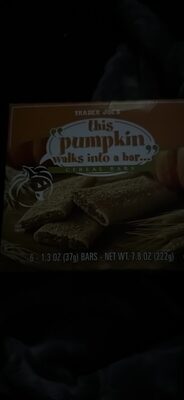 TRADER JOE'S
Cereal Bars
378kcal
5.4Protein
6.8Fat
73.0Carbs
ENSURE CLEAR
Therapeutic Nutrition
100kcal
3.5Protein
0Fat
21.5Carbs
NUTRAFLORA FOS*
High-Protein Nutrition With Fiber
0kcal
5.5Protein
3.9Fat
16.8Carbs
PROMOTE
Very-High-Protein Nutrition Drink , Vanilla
99kcal
6.2Protein
2.8Fat
13.7Carbs
SUPLENA
Therapeutic Nutrition
177kcal
4.4Protein
9.5Fat
19.3Carbs
NEPRO WITH CARB STEADY
Therapeutic Nutrition
177kcal
8.0Protein
9.5Fat
15.8Carbs
NEPRO
Therapeutic Nutrition, Butter Pecan
177kcal
8.0Protein
9.5Fat
15.8Carbs
WALGREENS
Nutritional Shake
83kcal
4.2Protein
2.1Fat
13.3Carbs
WONKA
Sltest_Discontinued_Usi_Nestle Poppin' Pops
High in saturated fat — 22% DV per serving
475kcal
17.5Protein
20Fat
55Carbs
Abbott Nutrition
Similac Go & Grow Milk Earlyshield Powder 1.375Lb/22Oz Simplepac
65kcal
1.9Protein
3.5Fat
6.6Carbs
Abbott Nutrition
Similac Sensitive Go&Grow 1.38Lb/22.0 Ounce Powder 6 Count
—kcal
11.4Protein
22.9Fat
45.7Carbs
TRADER JOE'S
Cereal Bars
378kcal
5.4Protein
6.8Fat
73.0Carbs
ENSURE CLEAR
Therapeutic Nutrition
100kcal
3.5Protein
0Fat
21.5Carbs
NUTRAFLORA FOS*
High-Protein Nutrition With Fiber
0kcal
5.5Protein
3.9Fat
16.8Carbs
PROMOTE
Very-High-Protein Nutrition Drink , Vanilla
99kcal
6.2Protein
2.8Fat
13.7Carbs
SUPLENA
Therapeutic Nutrition
177kcal
4.4Protein
9.5Fat
19.3Carbs
NEPRO WITH CARB STEADY
Therapeutic Nutrition
177kcal
8.0Protein
9.5Fat
15.8Carbs
NEPRO
Therapeutic Nutrition, Butter Pecan
177kcal
8.0Protein
9.5Fat
15.8Carbs
WALGREENS
Nutritional Shake
83kcal
4.2Protein
2.1Fat
13.3Carbs
WONKA
Sltest_Discontinued_Usi_Nestle Poppin' Pops
High in saturated fat — 22% DV per serving
475kcal
17.5Protein
20Fat
55Carbs
Abbott Nutrition
Similac Go & Grow Milk Earlyshield Powder 1.375Lb/22Oz Simplepac
65kcal
1.9Protein
3.5Fat
6.6Carbs
Abbott Nutrition
Similac Sensitive Go&Grow 1.38Lb/22.0 Ounce Powder 6 Count
—kcal
11.4Protein
22.9Fat
45.7Carbs