Phytonadione
What is Phytonadione?
Phytonadione is a form of Vitamin K, a nutrient essential for blood clotting and bone health. It is a fat-soluble vitamin that can be synthesized or derived from natural sources like plants. In food manufacturing, it is often produced through chemical synthesis.
Is Phytonadione vegan?
Phytonadione is not animal-derived. Products that contain it can still include other animal-derived ingredients, so check the full ingredient list.
Is Phytonadione gluten-free?
It does not contain gluten.
Is Phytonadione a major allergen?
Phytonadione is not derived from any of the 9 FDA major allergens.
What is Phytonadione used for?
Phytonadione is added to foods as a nutrient supplement to fortify products and ensure adequate vitamin K intake.
Is Phytonadione safe?
Phytonadione is recognized as safe and effective for its intended use in food by the FDA.
Why it's used
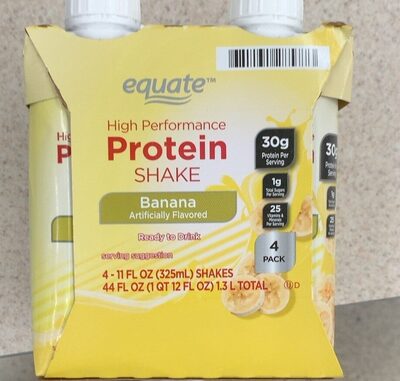
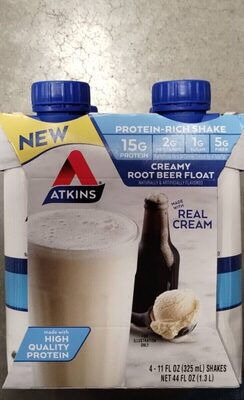
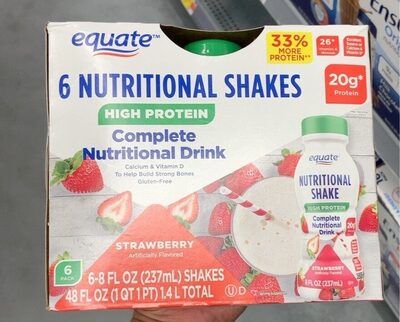
Phytonadione is added to foods as a nutrient supplement to fortify products and ensure adequate vitamin K intake. It is commonly found in infant formulas, nutritional drinks, and some fortified cereals and bars, where maintaining optimal nutrient levels is important.
Health notes
Phytonadione is recognized as safe and effective for its intended use in food by the FDA. It is considered essential for normal blood coagulation. International bodies like JECFA have evaluated Vitamin K, and EFSA has also assessed its safety. At typical dietary intake levels, it is not associated with adverse health effects.
Allergen info
Phytonadione is not derived from any of the 9 FDA major allergens. It does not contain gluten.
Foods that contain Phytonadione
Compare products →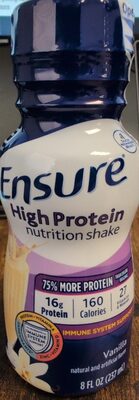

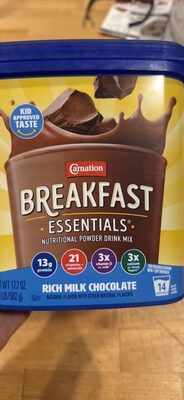



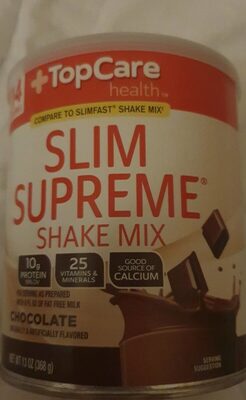
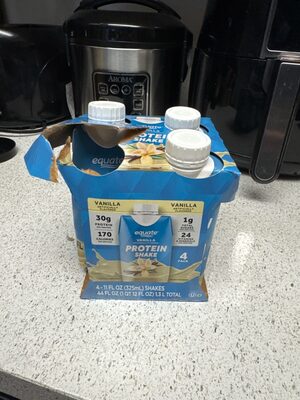









Learn more
Auto-generated content. This description was generated automatically and is pending editorial review. Inaccuracies are possible. Found a mistake? Contact us.