Pink
What is Pink?
Pink is a color derived from various sources, including natural pigments like carmine (from cochineal insects) or beet extract, and synthetic dyes. The specific source determines its exact chemical composition and properties. It is used to impart a pink hue to food products.
Is Pink gluten-free?
Gluten is not typically associated with pink colorants.
Is Pink a major allergen?
Pink colorants derived from carmine are not among the 9 FDA major allergens.
What is Pink used for?
Pink is added to foods primarily for its aesthetic appeal, making products more visually attractive to consumers.
Is Pink safe?
In the US, the use of pink colorants is regulated by the FDA.
Why it's used
Pink is added to foods primarily for its aesthetic appeal, making products more visually attractive to consumers. It is commonly found in confectionery, baked goods, dairy products, and beverages where a pink color is desired.
Health notes
In the US, the use of pink colorants is regulated by the FDA. Natural pink colors like carmine are generally recognized as safe (GRAS). Synthetic pink dyes are approved food additives. International bodies like JECFA and EFSA have evaluated various color additives, including those that can produce pink hues. Some synthetic dyes have faced scrutiny regarding potential links to hyperactivity in children, though scientific reviews have yielded mixed conclusions.
Allergen info
Pink colorants derived from carmine are not among the 9 FDA major allergens. Synthetic pink dyes are not major allergens. Gluten is not typically associated with pink colorants.
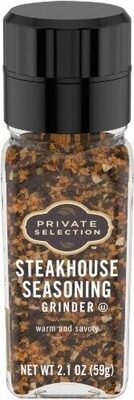
Foods that contain Pink
Compare products →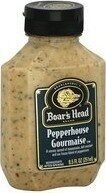



Learn more
Auto-generated content. This description was generated automatically and is pending editorial review. Inaccuracies are possible. Found a mistake? Contact us.