Plant Butter
What is Plant Butter?
Plant butter is a butter substitute made from vegetable oils. It is typically formulated to mimic the taste, texture, and performance of dairy butter. Common ingredients include a blend of plant-based oils like palm, soybean, canola, or coconut oil, often combined with water, salt, and emulsifiers.
Is Plant Butter vegan?
Plant Butter is not animal-derived. Products that contain it can still include other animal-derived ingredients, so check the full ingredient list.
Is Plant Butter gluten-free?
It does not contain gluten.
Is Plant Butter a major allergen?
Plant butter is not a major allergen unless it contains soy or is produced in a facility that processes major allergens.
What is Plant Butter used for?
Manufacturers use plant butter as a direct substitute for dairy butter in baking and cooking.
Is Plant Butter safe?
Plant butter is generally recognized as safe (GRAS) by the FDA.
Why it's used
Manufacturers use plant butter as a direct substitute for dairy butter in baking and cooking. It provides richness and moisture in products like cookies, cakes, and pastries. It is also used as a spread on toast or vegetables.
Health notes
Plant butter is generally recognized as safe (GRAS) by the FDA. The health implications depend on the specific oils used, particularly their saturated and unsaturated fat content. Many plant butters are lower in saturated fat than dairy butter, but some may contain tropical oils like palm oil, which are high in saturated fat. Consumers concerned about fat intake should check the nutrition facts panel.
Allergen info
Plant butter is not a major allergen unless it contains soy or is produced in a facility that processes major allergens. Check the product label for specific allergen information. It does not contain gluten.
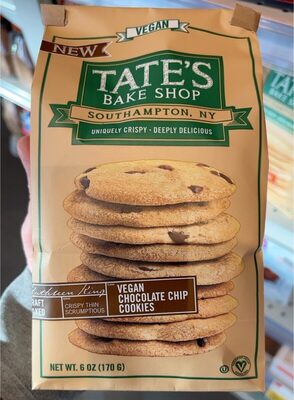
Foods that contain Plant Butter
Compare products →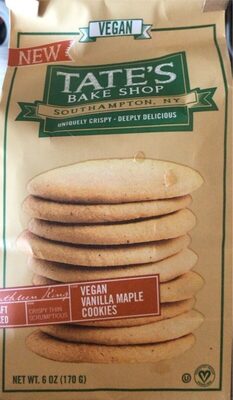
Learn more
Auto-generated content. This description was generated automatically and is pending editorial review. Inaccuracies are possible. Found a mistake? Contact us.