Polyphosphate
Auto-generated content. This description was generated automatically and is pending editorial review. Inaccuracies are possible. Found a mistake? Contact us.
What it is
Polyphosphates are salts of polyphosphoric acids, which are chains of phosphate units. They are typically made by heating sodium or calcium phosphates. They are commonly found naturally in small amounts in living organisms.
Why it's used
Manufacturers add polyphosphates to foods to help retain moisture, improve texture, and prevent spoilage. They are often used in processed meats, seafood, and dairy products to maintain quality and appearance.
Health notes
In the U.S., polyphosphates are generally recognized as safe (GRAS) by the FDA for use in food. They are a source of phosphorus, an essential mineral. International bodies like JECFA have evaluated polyphosphates and established acceptable daily intakes. Evidence does not suggest adverse health effects from typical dietary intake.
Allergen info
Polyphosphates are not derived from any of the nine FDA major allergens and are gluten-free.
Products containing Polyphosphate
Compare products → Advanced Fresh Concepts Corp.
Crunchy Shrimp
38kcal
5.8Protein
4.5Fat
24.4Carbs
Advanced Fresh Concepts Corp.
Crunchy Shrimp
38kcal
5.8Protein
4.5Fat
24.4Carbs
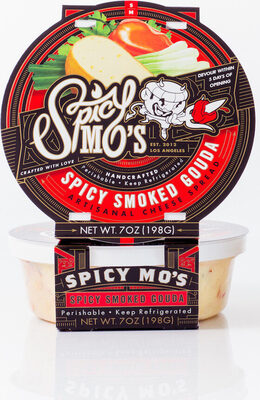 Artisan Made Foods LLC
Artisanal Cheese Spread, Spicy Smoked Gouda
400kcal
20Protein
33.3Fat
6.7Carbs
Inland Market Premium Foods
Original Seafood Cheese Spread, Original
241kcal
11.1Protein
18.5Fat
11.1Carbs
Pacific American Fish Co.,Inc.
Imitation Crab Flakes
140kcal
7Protein
1Fat
25Carbs
Pacific American Fish Co.,Inc.
Crab Flakes
140kcal
7Protein
1Fat
25Carbs
Artisan Made Foods LLC
Artisanal Cheese Spread, Spicy Smoked Gouda
400kcal
20Protein
33.3Fat
6.7Carbs
Inland Market Premium Foods
Original Seafood Cheese Spread, Original
241kcal
11.1Protein
18.5Fat
11.1Carbs
Pacific American Fish Co.,Inc.
Imitation Crab Flakes
140kcal
7Protein
1Fat
25Carbs
Pacific American Fish Co.,Inc.
Crab Flakes
140kcal
7Protein
1Fat
25Carbs
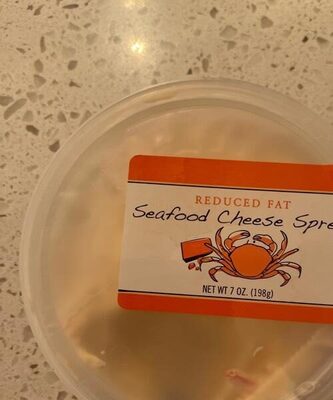 Inland Market Premium Foods
Reduced Fat Seafood Cheese Spread
148kcal
11.1Protein
7.4Fat
11.1Carbs
Inland Market Premium Foods
Reduced Fat Seafood Cheese Spread
148kcal
11.1Protein
7.4Fat
11.1Carbs
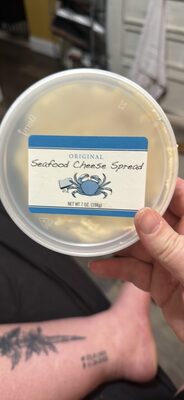 Inland Market Premium Foods
Seafood Cheese Spread
241kcal
11.1Protein
18.5Fat
11.1Carbs
Inland Market Premium Foods
Seafood Salad With Shrimp
175kcal
12Protein
10Fat
11Carbs
Palenque Meat Provisions
Smoke Flavor Dominican Pork Sausage, Smoke
High in sodium — 26% DV per serving
High in saturated fat — 25% DV per serving
232kcal
12.5Protein
19.6Fat
3.6Carbs
Inland Market Premium Foods
Seafood Cheese Spread
241kcal
11.1Protein
18.5Fat
11.1Carbs
Inland Market Premium Foods
Seafood Salad With Shrimp
175kcal
12Protein
10Fat
11Carbs
Palenque Meat Provisions
Smoke Flavor Dominican Pork Sausage, Smoke
High in sodium — 26% DV per serving
High in saturated fat — 25% DV per serving
232kcal
12.5Protein
19.6Fat
3.6Carbs