Pork Bellies Cured With Water
What is Pork Bellies Cured With Water?
Pork bellies cured with water refers to a cut of pork meat from the belly of a pig that has been treated with a curing solution. This process typically involves water, salt, and often other ingredients like nitrites, which help preserve the meat and develop its characteristic flavor and color.
Is Pork Bellies Cured With Water vegan?
No. Pork Bellies Cured With Water is animal-derived, so it is not vegan.
Is Pork Bellies Cured With Water a major allergen?
Not a major allergen.
What is Pork Bellies Cured With Water used for?
Manufacturers add cured pork belly to foods primarily for its savory flavor, rich texture, and protein content.
Is Pork Bellies Cured With Water safe?
Pork belly itself is a food, not a food additive, and is therefore not subject to FDA approval as an additive.
Why it's used
Manufacturers add cured pork belly to foods primarily for its savory flavor, rich texture, and protein content. It is a common ingredient in breakfast items, savory pastries, and prepared meals, where it contributes a distinct meaty taste.
Health notes
Pork belly itself is a food, not a food additive, and is therefore not subject to FDA approval as an additive. Cured meats, including pork belly, are often high in saturated fat and sodium. The Dietary Guidelines for Americans (2025-2030) advise limiting saturated fat to less than 10% of daily calories, and the FDA Daily Value for sodium is 2,300 mg. The International Agency for Research on Cancer (IARC) has classified processed meats as carcinogenic to humans (Group 1), citing sufficient evidence for colorectal cancer. JECFA and EFSA do not typically evaluate whole food products like cured pork belly.
Allergen info
Not a major allergen.
Foods that contain Pork Bellies Cured With Water
Compare products →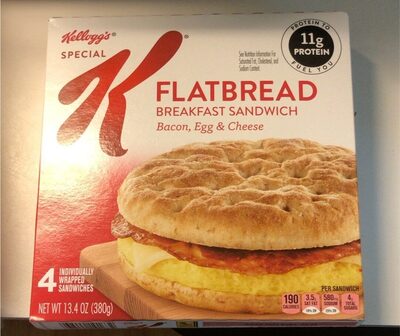 Kellogg Company US
Kellogg's Special K Breakfast Handheld Bacon, Egg & Cheese 13.4oz
High in sodium — 25% DV per serving
High in cholesterol — 56% DV per serving
199kcal
11.7Protein
9Fat
18Carbs
Kellogg Company US
Kellogg's Special K Breakfast Handheld Bacon, Egg & Cheese 13.4oz
High in sodium — 25% DV per serving
High in cholesterol — 56% DV per serving
199kcal
11.7Protein
9Fat
18Carbs
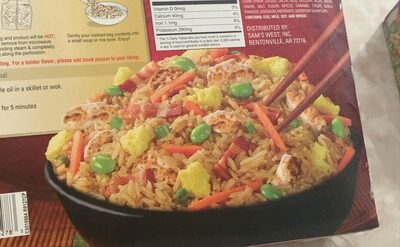 Wal-Mart Stores, Inc.
Chicken Breast Meat, Bacon Added, Crisp Vegetables & Cooked Eggs In A Delicious Gourmet Sauce Fried Rice, Chicken
High in sodium — 50% DV per serving
169kcal
6.3Protein
3.1Fat
27.1Carbs
Kellogg Company US
Kellogg's Special K Breakfast Handheld Bacon, Egg & Cheese Medleys 13.4oz
High in sodium — 27% DV per serving
High in saturated fat — 21% DV per serving
High in cholesterol — 38% DV per serving
218kcal
11.9Protein
10.3Fat
22.6Carbs
Kellogg Company US
Kellogg Eggo Savory Bacon, Egg & Cheese Medleys 33.5Oz
High in sodium — 26% DV per serving
High in saturated fat — 22% DV per serving
High in cholesterol — 39% DV per serving
250kcal
11.4Protein
11.9Fat
24.3Carbs
Wal-Mart Stores, Inc.
Chicken Breast Meat, Bacon Added, Crisp Vegetables & Cooked Eggs In A Delicious Gourmet Sauce Fried Rice, Chicken
High in sodium — 50% DV per serving
169kcal
6.3Protein
3.1Fat
27.1Carbs
Kellogg Company US
Kellogg's Special K Breakfast Handheld Bacon, Egg & Cheese Medleys 13.4oz
High in sodium — 27% DV per serving
High in saturated fat — 21% DV per serving
High in cholesterol — 38% DV per serving
218kcal
11.9Protein
10.3Fat
22.6Carbs
Kellogg Company US
Kellogg Eggo Savory Bacon, Egg & Cheese Medleys 33.5Oz
High in sodium — 26% DV per serving
High in saturated fat — 22% DV per serving
High in cholesterol — 39% DV per serving
250kcal
11.4Protein
11.9Fat
24.3Carbs
Learn more
Auto-generated content. This description was generated automatically and is pending editorial review. Inaccuracies are possible. Found a mistake? Contact us.