Pork Rinds And Salt
What is Pork Rinds And Salt?
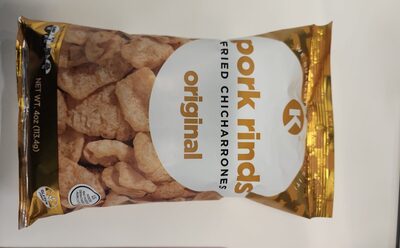
Pork rinds are a snack food made from fried pig skin. The skin is typically boiled, then fried until crispy. Salt is often added for flavor.
Is Pork Rinds And Salt vegan?
No. Pork Rinds And Salt is animal-derived, so it is not vegan.
Is Pork Rinds And Salt gluten-free?
They do not contain gluten.
Is Pork Rinds And Salt a major allergen?
Pork rinds are not derived from any of the 9 FDA major allergens.
What is Pork Rinds And Salt used for?
Pork rinds are primarily used as a crunchy snack food.
Is Pork Rinds And Salt safe?
Pork rinds are generally recognized as safe (GRAS) by the FDA for use in food.
Why it's used
Pork rinds are primarily used as a crunchy snack food. They are also sometimes used as a breading or coating for meats and vegetables, offering a low-carbohydrate alternative to traditional breadcrumbs.
Health notes
Pork rinds are generally recognized as safe (GRAS) by the FDA for use in food. They are high in protein and fat, and low in carbohydrates. The World Health Organization (WHO) has evaluated pork and pork products in relation to processed meats, but specific evaluations for pork rinds are not widely cited. Consumption of high-fat, high-sodium foods like pork rinds should be considered within the context of an overall balanced diet.
Allergen info
Pork rinds are not derived from any of the 9 FDA major allergens. They do not contain gluten.
Foods that contain Pork Rinds And Salt
Compare products →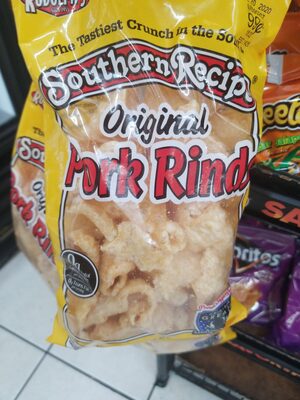
Learn more
Auto-generated content. This description was generated automatically and is pending editorial review. Inaccuracies are possible. Found a mistake? Contact us.