Portobello Mushroom
What is Portobello Mushroom?
The Portobello mushroom is a large, mature brown mushroom, a variety of the common mushroom (Agaricus bisporus). It is grown indoors in controlled environments on a composted substrate. When mature, it has a dense, meaty texture and a rich, earthy flavor.
Is Portobello Mushroom vegan?
Portobello Mushroom is not animal-derived. Products that contain it can still include other animal-derived ingredients, so check the full ingredient list.
Is Portobello Mushroom gluten-free?
They do not contain gluten.
Is Portobello Mushroom a major allergen?
Portobello mushrooms are not one of the nine FDA major allergens.
What is Portobello Mushroom used for?
Portobello mushrooms are used as a meat substitute in vegetarian and vegan dishes due to their firm texture and savory taste.
Is Portobello Mushroom safe?
Portobello mushrooms are a good source of B vitamins, selenium, and potassium.
Why it's used
Portobello mushrooms are used as a meat substitute in vegetarian and vegan dishes due to their firm texture and savory taste. They are often grilled, roasted, or sautéed and appear in pasta dishes, sausages, soups, and as a topping for pizzas and burgers.
Health notes
Portobello mushrooms are a good source of B vitamins, selenium, and potassium. They are generally recognized as safe (GRAS) by the FDA for use as a food ingredient. International bodies like JECFA have evaluated mushrooms and their components, but no specific health concerns are typically associated with their consumption at normal dietary levels.
Allergen info
Portobello mushrooms are not one of the nine FDA major allergens. They do not contain gluten.
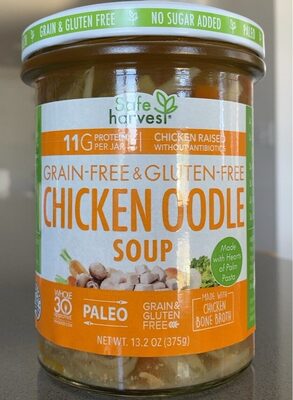
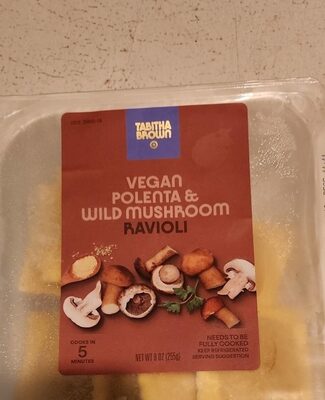
Foods that contain Portobello Mushroom
Compare products →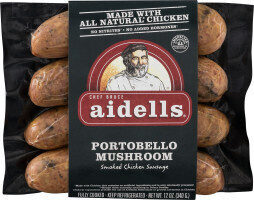

Auto-generated content. This description was generated automatically and is pending editorial review. Inaccuracies are possible. Found a mistake? Contact us.