Potassium Sorbate And Sulfur Dioxide
Auto-generated content. This description was generated automatically and is pending editorial review. Inaccuracies are possible. Found a mistake? Contact us.
What it is
Potassium sorbate is the potassium salt of sorbic acid, a naturally occurring organic compound. It is manufactured industrially from chemicals like ketene and crotonaldehyde. Sulfur dioxide is a gas produced by burning sulfur. It can also be found naturally in small amounts in some foods and beverages.
Why it's used
Potassium sorbate and sulfur dioxide are often used together as preservatives in a wide variety of foods. They work by inhibiting the growth of mold, yeast, and some bacteria, which helps extend shelf life. They are commonly found in dried fruits, wines, cheeses, baked goods, and pickled vegetables.
Health notes
Both potassium sorbate and sulfur dioxide are approved food additives in the United States. Potassium sorbate is Generally Recognized As Safe (GRAS) by the FDA. Sulfur dioxide is permitted as a preservative and antioxidant. The Joint FAO/WHO Expert Committee on Food Additives (JECFA) and the European Food Safety Authority (EFSA) have evaluated both substances. While generally considered safe at typical levels, sulfur dioxide can cause allergic-type reactions in sensitive individuals, particularly those with asthma. Some studies have explored potential links between artificial preservatives and behavioral changes in children, but evidence is mixed and inconclusive.
Allergen info
Neither potassium sorbate nor sulfur dioxide are derived from any of the 9 FDA major allergens. They do not contain gluten.
Products containing Potassium Sorbate And Sulfur Dioxide
Compare products →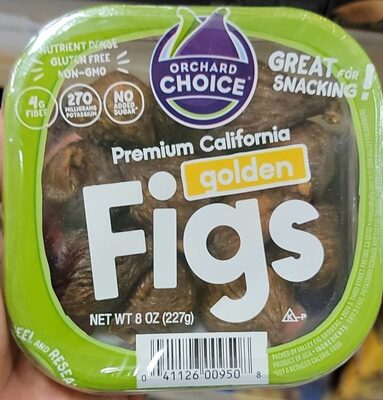 Valley Fig Growers
Orchard Choice Premium California Golden Figs 8 oz Container
250kcal
2.5Protein
0Fat
65Carbs
Valley Fig Growers
Orchard Choice Premium California Golden Figs 8 oz Container
250kcal
2.5Protein
0Fat
65Carbs