Powdered Vinegar
Auto-generated content. This description was generated automatically and is pending editorial review. Inaccuracies are possible. Found a mistake? Contact us.
What it is
Powdered vinegar, also called dry vinegar or vinegar powder, is made by drying liquid vinegar. The drying process typically involves spray-drying, which removes most of the water content, leaving behind a concentrated powder. It retains the characteristic acidic flavor of liquid vinegar.
Why it's used
Manufacturers use powdered vinegar as an acidulant and flavor enhancer, providing the tangy taste of vinegar in a dry form. It is often found in seasoning mixes, dry rubs, marinades, and snack foods where a liquid ingredient would alter the texture or shelf life.
Health notes
In the U.S., powdered vinegar is generally recognized as safe (GRAS) by the FDA when used as a food ingredient. It is a source of acetic acid, the main component of vinegar. International bodies like JECFA have evaluated vinegar and its components. At typical consumption levels found in food, it is not associated with adverse health effects.
Allergen info
Powdered vinegar is not derived from any of the 9 major allergens recognized by the FDA. It does not contain gluten.
Products containing Powdered Vinegar
Compare products →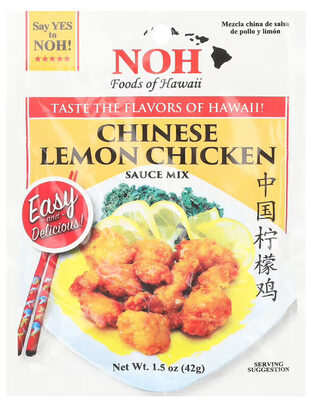 E & M Corporation
Noh Foods Of Hawaii, Chinese Lemon Chicken Sauce Mix
318kcal
0Protein
0Fat
81.8Carbs
E & M Corporation
Filipino Adobo Mix
250kcal
0Protein
0Fat
62.5Carbs
Tamanoi Vinegar Company Ltd.
Powdered Sushi Flavoring
300kcal
0Protein
0Fat
80Carbs
E & M Corporation
Noh Foods Of Hawaii, Chinese Lemon Chicken Sauce Mix
318kcal
0Protein
0Fat
81.8Carbs
E & M Corporation
Filipino Adobo Mix
250kcal
0Protein
0Fat
62.5Carbs
Tamanoi Vinegar Company Ltd.
Powdered Sushi Flavoring
300kcal
0Protein
0Fat
80Carbs