Premium 41% Milk Chocolate
Auto-generated content. This description was generated automatically and is pending editorial review. Inaccuracies are possible. Found a mistake? Contact us.
What it is
Milk chocolate is a sweet, solid food product made from cocoa solids, cocoa butter, sugar, and milk powder or condensed milk. The '41%' indicates that 41% of the chocolate's weight comes from cocoa solids, which include cocoa mass and cocoa butter.
Why it's used
Manufacturers use milk chocolate primarily for its flavor and texture in various confections, desserts, and snacks. It provides a rich, sweet, and creamy taste, often serving as a coating, inclusion, or base for items like candy bars, baked goods, and ice cream.
Health notes
Milk chocolate is generally recognized as safe (GRAS) when consumed as a food ingredient. Like many processed foods, it contains sugar and fat. The 2025-2030 Dietary Guidelines for Americans recommend no amount of added sugars, and at most 10 grams of added sugars per meal. Saturated fat should be under 10% of daily calories. JECFA and EFSA evaluate individual components of chocolate (such as cocoa, sugar, and milk) rather than 'milk chocolate' as a whole. There are no specific regulatory controversies directly related to 'milk chocolate' as a single ingredient, but concerns often arise regarding its sugar and fat content.
Allergen info
Milk chocolate contains milk, which is one of the nine major food allergens identified by the FDA. Many milk chocolate products also contain soy lecithin, derived from soy, another major allergen.
Products containing Premium 41% Milk Chocolate
Compare products →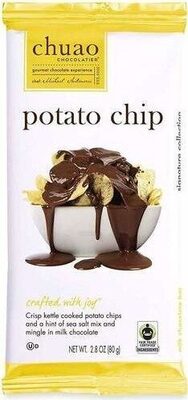 Chuao Chocolatier
Potato Chip
High in saturated fat — 40% DV per serving
525kcal
7.5Protein
35Fat
55Carbs
Chuao Chocolatier
Caramel Apple Crush
High in saturated fat — 40% DV per serving
500kcal
5Protein
32.5Fat
52.5Carbs
Chuao Chocolatier
Ravishing Rocky Road Salted Caramelized Almonds And Chewy Marshmallows Pave The Way In Milk Chocolate Bar, Ravishing Rocky Road
High in saturated fat — 35% DV per serving
525kcal
7.5Protein
32.5Fat
55Carbs
Chuao Chocolatier
Potato Chip
High in saturated fat — 40% DV per serving
525kcal
7.5Protein
35Fat
55Carbs
Chuao Chocolatier
Caramel Apple Crush
High in saturated fat — 40% DV per serving
500kcal
5Protein
32.5Fat
52.5Carbs
Chuao Chocolatier
Ravishing Rocky Road Salted Caramelized Almonds And Chewy Marshmallows Pave The Way In Milk Chocolate Bar, Ravishing Rocky Road
High in saturated fat — 35% DV per serving
525kcal
7.5Protein
32.5Fat
55Carbs
 Chuao Chocolatier
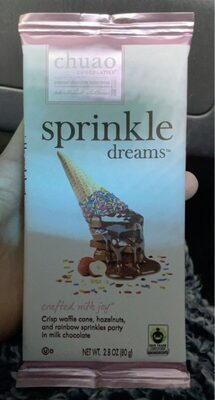
Sprinkle Dreams Crisp Waffle Cone, Hazelnuts, And Rainbow Sprinkles Party In Milk Chocolate Bar, Sprinkle Dreams
High in saturated fat — 40% DV per serving
525kcal
7.5Protein
35Fat
55Carbs
Chuao Chocolatier
Oh My S'Mores Milk Chocolate Bar
High in saturated fat — 30% DV per serving
475kcal
5Protein
27.5Fat
62.5Carbs
Chuao Chocolatier
Sprinkle Dreams Crisp Waffle Cone, Hazelnuts, And Rainbow Sprinkles Party In Milk Chocolate Bar, Sprinkle Dreams
High in saturated fat — 40% DV per serving
525kcal
7.5Protein
35Fat
55Carbs
Chuao Chocolatier
Oh My S'Mores Milk Chocolate Bar
High in saturated fat — 30% DV per serving
475kcal
5Protein
27.5Fat
62.5Carbs