Preservative Calcium Disodium EDTA
Auto-generated content. This description was generated automatically and is pending editorial review. Inaccuracies are possible. Found a mistake? Contact us.
What it is
Calcium disodium EDTA is a synthetic compound that acts as a chelating agent. It is made through a chemical process involving ethylenediamine, formaldehyde, and sodium cyanide. It is used to bind with metal ions.
Why it's used
Manufacturers add calcium disodium EDTA to foods to prevent spoilage by binding to metal ions that can cause oxidation and color changes. It helps maintain the product's flavor, color, and texture. It is commonly found in dressings, sauces, canned goods, and some beverages.
Health notes
Calcium disodium EDTA is generally recognized as safe (GRAS) by the FDA for use as a food additive. It is used in small amounts and is not absorbed well by the body. The Joint FAO/WHO Expert Committee on Food Additives (JECFA) has evaluated it and established an acceptable daily intake. Some studies have explored its potential therapeutic uses, but it is not approved for medicinal purposes.
Allergen info
Calcium disodium EDTA is not derived from any of the nine FDA major allergens. It does not contain gluten.
Products containing Preservative Calcium Disodium EDTA
Compare products →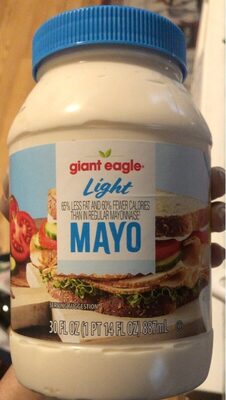 Giant Eagle, Inc.
Light Mayo Mayonnaise, Light
233kcal
0Protein
23.3Fat
6.7Carbs
Wal-Mart Stores, Inc.
Carrot Cake, Carrot
High in saturated fat — 40% DV per serving
High in added sugars — 62% DV per serving
427kcal
2.2Protein
25.8Fat
47.2Carbs
Giant Eagle, Inc.
Light Mayo Mayonnaise, Light
233kcal
0Protein
23.3Fat
6.7Carbs
Wal-Mart Stores, Inc.
Carrot Cake, Carrot
High in saturated fat — 40% DV per serving
High in added sugars — 62% DV per serving
427kcal
2.2Protein
25.8Fat
47.2Carbs