Preservative: Sodium Metabisulphite
Auto-generated content. This description was generated automatically and is pending editorial review. Inaccuracies are possible. Found a mistake? Contact us.
What it is
Sodium metabisulfite is a white or slightly yellowish crystalline powder. It is a salt of sulfurous acid, formed when sulfur dioxide dissolves in a solution of sodium carbonate or sodium hydroxide. It is used as a preservative and antioxidant.
Why it's used
Manufacturers add sodium metabisulfite to foods to prevent spoilage by inhibiting the growth of bacteria and fungi, and to prevent oxidation, which can cause browning and off-flavors. It is commonly found in dried fruits, wine, processed potatoes, and some baked goods.
Health notes
In the US, sodium metabisulfite is generally recognized as safe (GRAS) by the FDA when used according to good manufacturing practices. It can cause allergic reactions in some individuals, particularly those with asthma, and may trigger symptoms like hives or breathing difficulties. The Joint FAO/WHO Expert Committee on Food Additives (JECFA) and the European Food Safety Authority (EFSA) have evaluated sodium metabisulfite, establishing acceptable daily intake levels. Some people are sensitive to sulfites, which are released by sodium metabisulfite.
Allergen info
Not a major allergen. It does not contain gluten.
Products containing Preservative: Sodium Metabisulphite
Compare products →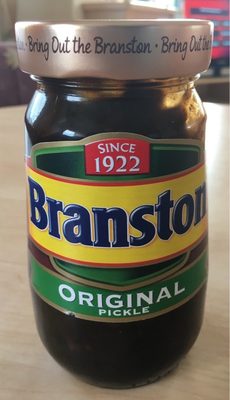 BRANSTON
Original Pickle
638kcal
0.5Protein
0.7Fat
34Carbs
HAYWARDS
Strong Onions
17kcal
0.5Protein
0.5Fat
2.7Carbs
HAYWARDS
Sweet Onions
21kcal
0.4Protein
0.1Fat
4.5Carbs
HAYWARDS
Silverskin Onions
10kcal
0.4Protein
0.1Fat
1.8Carbs
Safeway, Inc.
Gourmet Sandwich Creme Cookies, Lemon Coconut
High in saturated fat — 45% DV per serving
606kcal
6.1Protein
45.5Fat
42.4Carbs
Safeway, Inc.
Gourmet Sandwich Creme Cookies, Coconut Meringue
High in saturated fat — 40% DV per serving
586kcal
3.5Protein
41.4Fat
48.3Carbs
BRANSTON
Original Pickle
638kcal
0.5Protein
0.7Fat
34Carbs
HAYWARDS
Strong Onions
17kcal
0.5Protein
0.5Fat
2.7Carbs
HAYWARDS
Sweet Onions
21kcal
0.4Protein
0.1Fat
4.5Carbs
HAYWARDS
Silverskin Onions
10kcal
0.4Protein
0.1Fat
1.8Carbs
Safeway, Inc.
Gourmet Sandwich Creme Cookies, Lemon Coconut
High in saturated fat — 45% DV per serving
606kcal
6.1Protein
45.5Fat
42.4Carbs
Safeway, Inc.
Gourmet Sandwich Creme Cookies, Coconut Meringue
High in saturated fat — 40% DV per serving
586kcal
3.5Protein
41.4Fat
48.3Carbs
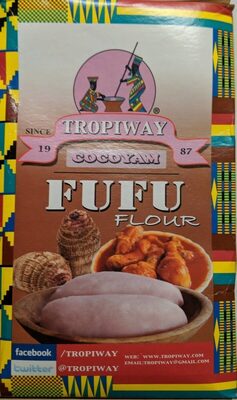 Cocoyam Fufu Flour
156kcal
1.8Protein
0Fat
15.9Carbs
Cocoyam Fufu Flour
156kcal
1.8Protein
0Fat
15.9Carbs