Pumpernickel Rye Flour
Auto-generated content. This description was generated automatically and is pending editorial review. Inaccuracies are possible. Found a mistake? Contact us.
What it is
Pumpernickel rye flour is a coarse flour made from whole rye grains, including the bran and germ. It is typically darker and has a stronger flavor than regular rye flour. The name 'pumpernickel' originally referred to a dark rye bread, and the flour is used to achieve that characteristic color and taste.
Why it's used
Pumpernickel rye flour is primarily used in baking, especially for making pumpernickel bread, rye bread, and other baked goods where a dense texture and robust flavor are desired. It can also be used in some crackers and savory baked items.
Health notes
Pumpernickel rye flour is a whole grain product and a source of dietary fiber. The FDA considers whole grains, including rye, to be part of a healthy dietary pattern. Regulatory bodies like JECFA and EFSA have evaluated various food ingredients, but specific evaluations for 'pumpernickel rye flour' as a distinct ingredient are not commonly cited. As a whole grain, it is generally recognized as safe and beneficial when consumed as part of a balanced diet.
Allergen info
Rye is a grain, and while it contains gluten, it is not one of the FDA's nine major allergens. Wheat is a major allergen, but rye is distinct.
Products containing Pumpernickel Rye Flour
Compare products →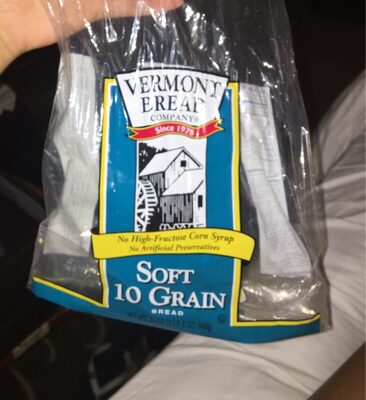 Innisfree Farm Inc
Soft 10 Grain Bread
265kcal
11.8Protein
5.9Fat
44.1Carbs
Innisfree Farm Inc
Soft 10 Grain Bread
265kcal
11.8Protein
5.9Fat
44.1Carbs