Pyridoxin Hydrochloride
Auto-generated content. This description was generated automatically and is pending editorial review. Inaccuracies are possible. Found a mistake? Contact us.
What it is
Pyridoxine hydrochloride is the synthetic form of vitamin B6, a nutrient essential for human health. It is typically manufactured through chemical synthesis and is often used to fortify foods and dietary supplements.
Why it's used
Manufacturers add pyridoxine hydrochloride to foods as a nutrient supplement to fortify them with vitamin B6. It is commonly found in processed cereal products, baked goods like cookies and biscuits, and frozen breakfast items such as pancakes and waffles.
Health notes
Pyridoxine hydrochloride is generally recognized as safe (GRAS) by the FDA when used as a nutrient. It plays a vital role in metabolism and brain function. The Joint FAO/WHO Expert Committee on Food Additives (JECFA) has evaluated pyridoxine hydrochloride. While high doses can cause nerve issues, typical food fortification levels are considered safe and beneficial for preventing deficiencies.
Allergen info
Pyridoxine hydrochloride is not derived from any of the nine FDA major allergens and does not contain gluten.
Products containing Pyridoxin Hydrochloride
Compare products →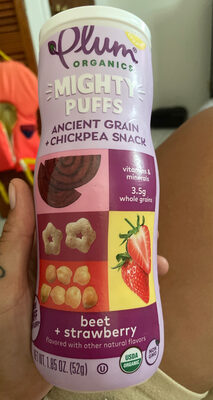 Sun-Maid Growers
Plum Organics Baby Crawlers Mighty Puffs Beet + Strawbry 1.85oz Cstr
429kcal
14.3Protein
0Fat
85.7Carbs
Sun-Maid Growers
Plum Organics Baby Crawlers Mighty Puffs Beet + Strawbry 1.85oz Cstr
429kcal
14.3Protein
0Fat
85.7Carbs