Raising Agents: Disodium Diphosphate
Auto-generated content. This description was generated automatically and is pending editorial review. Inaccuracies are possible. Found a mistake? Contact us.
What it is
Disodium diphosphate is a type of phosphate salt that occurs naturally in some foods. It is manufactured by heating sodium acid pyrophosphate, which is produced from phosphoric acid and sodium carbonate or sodium hydroxide.
Why it's used
This ingredient is used as a leavening agent in baked goods like cakes and cookies, helping them to rise and become fluffy. It works with baking soda to produce carbon dioxide gas. It is also used to help retain moisture and improve texture in processed meats and seafood.
Health notes
In the US, disodium diphosphate is Generally Recognized As Safe (GRAS) by the FDA for use as a food additive. It is also permitted in the EU. Both JECFA and EFSA have evaluated disodium diphosphate and found it safe for consumption at typical levels. Phosphates are naturally present in many foods and are important for bone health, but excessive intake of phosphates from all sources could be a concern for individuals with kidney problems.
Allergen info
Disodium diphosphate is not derived from any of the 9 FDA major allergens and does not contain gluten.
Products containing Raising Agents: Disodium Diphosphate
Compare products →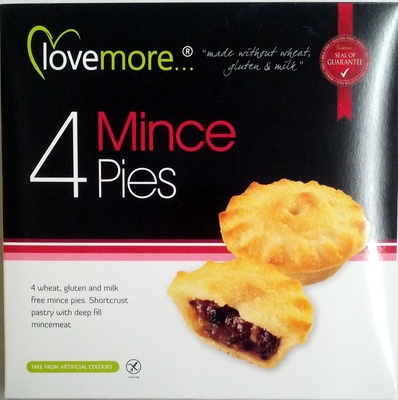 LOVE MORE...
Mince Pies
380kcal
2.7Protein
14.7Fat
59.1Carbs
AdvancePierre Foods Inc.
Weiss, Mit Aprikosen Fruchtfullung Lebkuchen Herzen
High in saturated fat — 25% DV per serving
363kcal
4.8Protein
7.3Fat
66.6Carbs
Cousin Vinny's Cheesecake
Forno D'Angelo, Softcake
406kcal
6.2Protein
18.8Fat
53.1Carbs
Walkers Shortbread Ltd.
Extremely Chocolatey Cookie, Extremely Chocolatey
High in saturated fat — 30% DV per serving
525kcal
5Protein
30Fat
60Carbs
Corwood Industries
La Donatella, Frozen Dessert, Cubella Cappuccino, Cubella Cappuccino
High in saturated fat — 80% DV per serving
High in cholesterol — 23% DV per serving
349kcal
2.7Protein
24.4Fat
30Carbs
La Donatella 1946
Gromutter Kuchen
High in saturated fat — 35% DV per serving
—kcal
4.9Protein
13Fat
50Carbs
LOVE MORE...
Mince Pies
380kcal
2.7Protein
14.7Fat
59.1Carbs
AdvancePierre Foods Inc.
Weiss, Mit Aprikosen Fruchtfullung Lebkuchen Herzen
High in saturated fat — 25% DV per serving
363kcal
4.8Protein
7.3Fat
66.6Carbs
Cousin Vinny's Cheesecake
Forno D'Angelo, Softcake
406kcal
6.2Protein
18.8Fat
53.1Carbs
Walkers Shortbread Ltd.
Extremely Chocolatey Cookie, Extremely Chocolatey
High in saturated fat — 30% DV per serving
525kcal
5Protein
30Fat
60Carbs
Corwood Industries
La Donatella, Frozen Dessert, Cubella Cappuccino, Cubella Cappuccino
High in saturated fat — 80% DV per serving
High in cholesterol — 23% DV per serving
349kcal
2.7Protein
24.4Fat
30Carbs
La Donatella 1946
Gromutter Kuchen
High in saturated fat — 35% DV per serving
—kcal
4.9Protein
13Fat
50Carbs