Ramen Noodles
What is Ramen Noodles?
Ramen noodles are a type of Japanese noodle, typically made from wheat flour, water, salt, and an alkaline mineral water called kansui. These noodles are usually pre-cooked, then dried, often by frying or air-drying, to allow for quick preparation.
Is Ramen Noodles a major allergen?
Ramen noodles are typically made from wheat, which is one of the nine major FDA allergens.
What is Ramen Noodles used for?
Ramen noodles are primarily used as the main component in instant noodle soups and traditional ramen dishes.
Is Ramen Noodles safe?
As a food product, ramen noodles are regulated by the FDA as part of the general food supply.
Why it's used
Ramen noodles are primarily used as the main component in instant noodle soups and traditional ramen dishes. They provide a substantial and satisfying base for broths, vegetables, and proteins, making them a popular choice for quick meals.
Health notes
As a food product, ramen noodles are regulated by the FDA as part of the general food supply. They are often noted for their high sodium content, which can contribute to exceeding the FDA Daily Value of 2,300 mg. Many instant ramen varieties are also fried, contributing to their fat content. There are no specific JECFA or EFSA evaluations for "ramen noodles" as an additive, as they are a food staple.
Allergen info
Ramen noodles are typically made from wheat, which is one of the nine major FDA allergens. Some varieties may also contain egg, another major allergen.
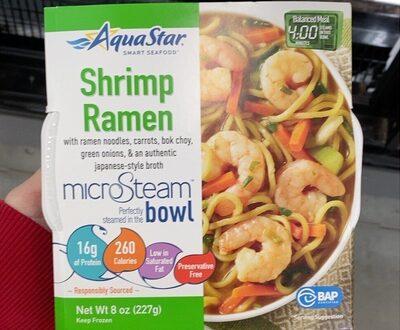
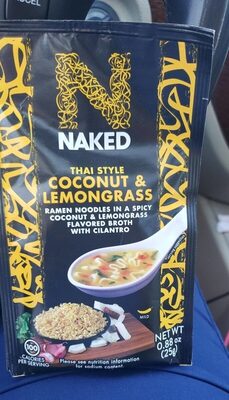
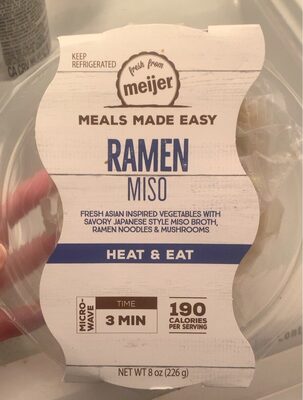
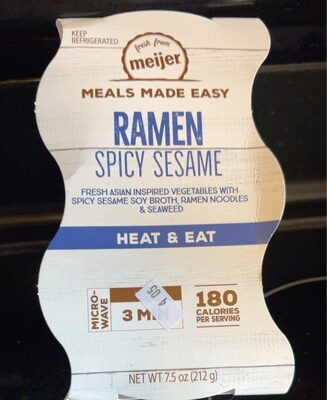
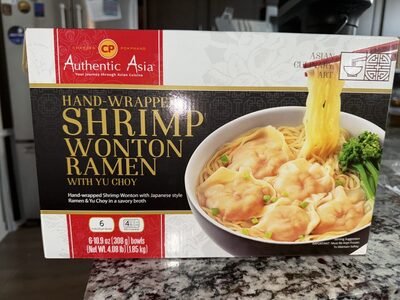
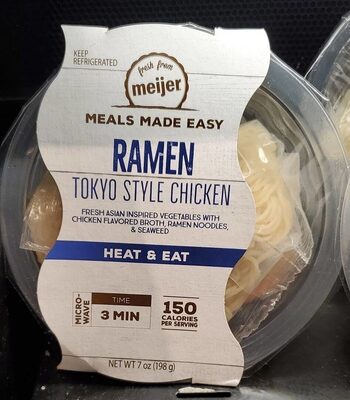
Foods that contain Ramen Noodles
Compare products →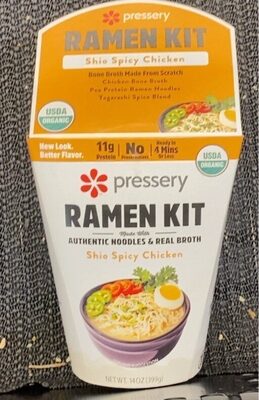
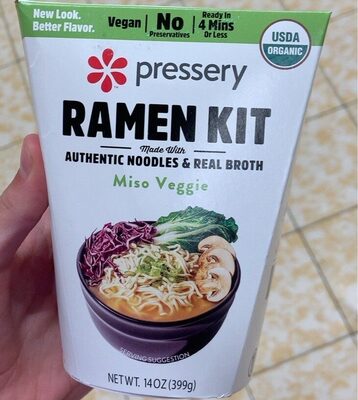
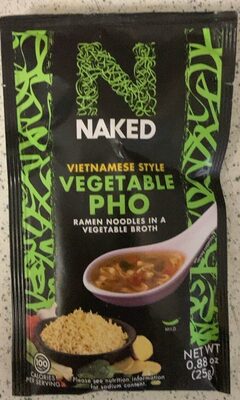
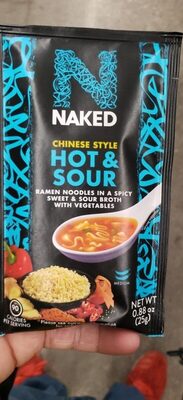
Learn more
Auto-generated content. This description was generated automatically and is pending editorial review. Inaccuracies are possible. Found a mistake? Contact us.