Rapseed Oil
Auto-generated content. This description was generated automatically and is pending editorial review. Inaccuracies are possible. Found a mistake? Contact us.
What it is
Rapseed oil, also known as canola oil, is a vegetable oil made from the seeds of the rapeseed plant. The seeds are typically crushed to extract the oil, which is then refined and purified for culinary use. It is a common cooking oil used worldwide.
Why it's used
Manufacturers use rapseseed oil primarily as a cooking oil due to its neutral flavor and high smoke point. It is found in a variety of processed foods, including baked goods, salad dressings, and fried items, where it contributes to texture and mouthfeel.
Health notes
Rapseed oil is generally recognized as safe (GRAS) by the FDA for use in food. It is a source of monounsaturated and polyunsaturated fats, including omega-3 and omega-6 fatty acids. International bodies like JECFA have evaluated it. Some older varieties of rapeseed contained high levels of erucic acid, which has been linked to health concerns, but modern canola oil has very low levels.
Allergen info
Rapseed oil is not derived from any of the nine major allergens recognized by the FDA. It does not contain gluten.
Products containing Rapseed Oil
Compare products →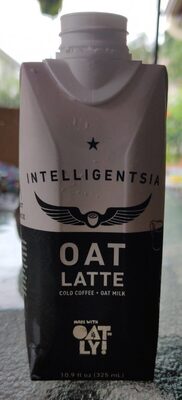 Intelligentsia Coffee & Tea, Inc.
Oat Latte Cold Coffee + Oat Milk, Oat Latte
High in added sugars — 42% DV per serving
68kcal
1.5Protein
2.1Fat
10.8Carbs
Intelligentsia Coffee & Tea, Inc.
Oat Latte Cold Coffee + Oat Milk, Oat Latte
High in added sugars — 42% DV per serving
68kcal
1.5Protein
2.1Fat
10.8Carbs