Reconstituted Whole Milk
Auto-generated content. This description was generated automatically and is pending editorial review. Inaccuracies are possible. Found a mistake? Contact us.
What it is
Reconstituted whole milk is made by adding water to milk powder. This process restores the milk's original water content, creating a liquid similar to fresh whole milk.
Why it's used
Manufacturers use it as a direct substitute for fresh whole milk in recipes and products. It is commonly found in canned soups, baked goods, and dessert toppings where a dairy component is needed.
Health notes
Reconstituted whole milk is generally recognized as safe (GRAS) by the FDA. It provides similar nutritional benefits to fresh whole milk, including calcium and protein. International bodies like JECFA have evaluated milk and milk products. Evidence does not suggest adverse health effects from consuming reconstituted whole milk at typical dietary levels.
Allergen info
Reconstituted whole milk is derived from milk, which is one of the 9 FDA major allergens. It is not gluten-containing.
Products containing Reconstituted Whole Milk
Compare products →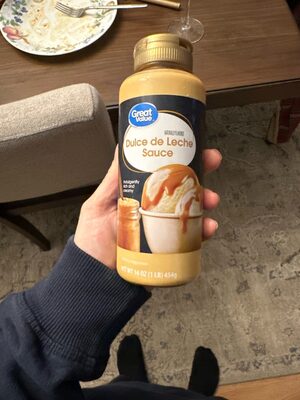 Wal-Mart Stores, Inc.
Dulce De Leche Sauce, Dulce De Leche
High in added sugars — 28% DV per serving
333kcal
6.7Protein
8.3Fat
56.7Carbs
Wal-Mart Stores, Inc.
Dulce De Leche Sauce, Dulce De Leche
High in added sugars — 28% DV per serving
333kcal
6.7Protein
8.3Fat
56.7Carbs